
Aristaloe aristata
Aristaloe aristata (Haw.) Boatwr. & J. C. Manning
Description
Growing requirements
Aristaloe aristata, commonly known as the lace aloe, is a perennial succulent plant belonging to the Asphodelaceae family. Formerly classified within the Aloe genus, this plant is native to South Africa, where it thrives in rocky, well-drained terrains. It is highly valued in ornamental horticulture for its compact, rosette-forming habit and unique leaf texture.
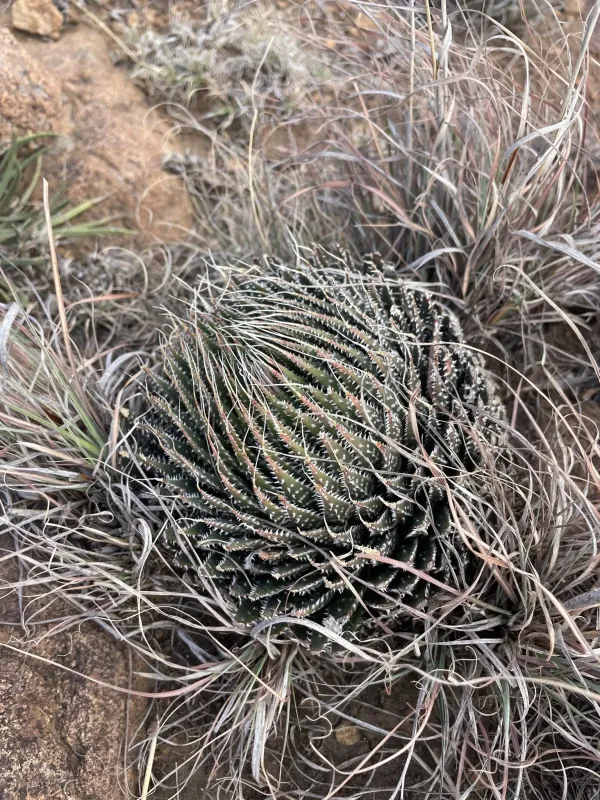
Botanically, the plant consists of a dense cluster of lanceolate leaves characterized by white, soft, marginal teeth and a white-tipped apex. Its root system is relatively shallow, which makes it ideal for container gardening. The plant produces long racemes of orange-red, tubular flowers, typically in the late spring or early summer, which are attractive to pollinators.
To cultivate Aristaloe aristata successfully, one must provide bright, indirect sunlight. While the plant can tolerate some direct morning sun, intense afternoon exposure may cause leaf scorching. It prefers a moderate temperature range, ideally between 20°C and 25°C during the growing season, while requiring a cooler period (10–12°C) in winter to thrive.
Soil requirements are critical: the growing medium must be porous and highly drainage-oriented. A professional mix for cacti and succulents, enriched with coarse sand or pumice, is recommended to prevent water retention at the roots. The soil should be slightly acidic or neutral to ensure optimal nutrient uptake.
Watering frequency should be determined by the moisture level of the substrate rather than a set schedule. The soil must be allowed to dry out completely between waterings to prevent root asphyxiation. During the winter dormancy period, the plant requires significantly less water to maintain its structural integrity and health.
Main diseases and pests
Root rot is the most frequent pathological threat to Aristaloe aristata, usually resulting from excessive irrigation and poor substrate drainage. Symptoms include a mushy, dark base of the rosette and a sudden loss of root grip in the soil. Proper drainage and aeration are essential to mitigate this risk.
Mealybugs are the primary insect pests affecting the plant. These insects cluster in the leaf axils, creating a waxy, white residue. Their presence can weaken the plant and serve as an entry point for secondary fungal infections. Mechanical removal combined with systemic insecticidal treatment is the standard control protocol.
Spider mites may also infest the plant, particularly in conditions with low humidity. Signs of infestation include fine webbing and discolored, stippled foliage. Increasing environmental humidity and applying horticultural oils or miticides can effectively manage these populations.
Fungal leaf spot diseases can occur if there is inadequate air circulation around the plant's rosette. If these diseases appear, infected leaves should be removed, and the plant should be treated with appropriate copper-based fungicides to prevent further spread.
Good agricultural practice dictates regular monitoring and maintenance of the plant's environment. Ensuring the pots have sufficient drainage holes and avoiding overhead watering significantly reduces the incidence of both pests and diseases in this succulent species.