
Hypodematium crenatum
Hypodematium crenatum
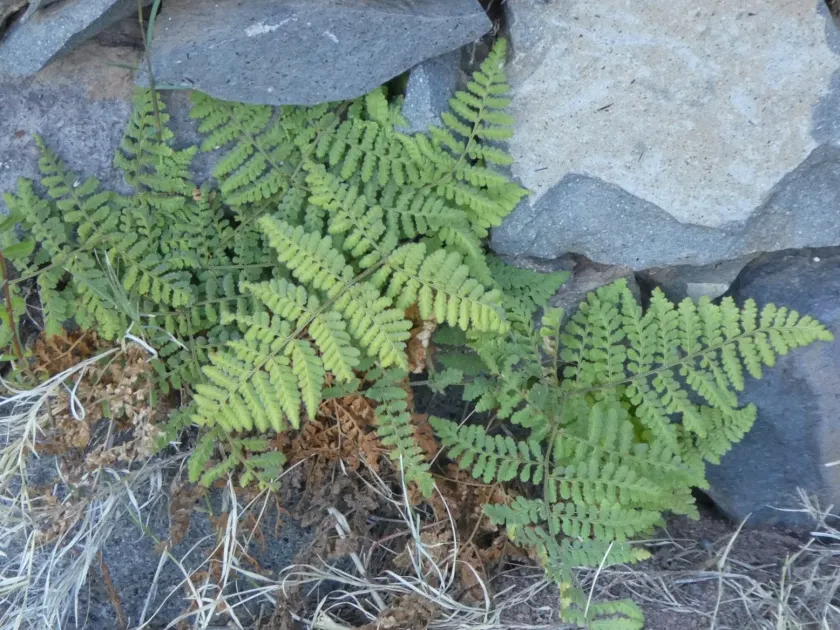
Description
Growing requirements
Hypodematium crenatum is a perennial fern species belonging to the Hypodematiaceae family. This plant is well-known for its lithophytic nature, meaning it naturally thrives in rock crevices and on stony slopes across Asia, Africa, and parts of Europe.
Regarding climate, the plant requires a temperate environment with adequate airflow. It flourishes in partial shade, as direct sunlight tends to desiccate its foliage and impede its growth, especially in arid or hot conditions.
The soil requirements are specific: the medium must be loose, gritty, and exceptionally well-drained. A mix of rock chips and organic leaf mold is often ideal for mimicking its natural habitat, ensuring roots do not remain waterlogged.
The geographic range of this species is quite broad, showcasing its adaptability to various altitudes and temperature shifts. Its rhizomes are designed to store energy, allowing the plant to persist in nutrient-poor environments.
In terms of human use, Hypodematium crenatum is primarily utilized in horticultural settings, specifically in rock gardens and alpine houses. Its aesthetic appeal lies in its finely divided, slightly fuzzy fronds which offer a natural, woodland appearance.
Main diseases and pests
The primary threat to the health of this fern is root rot caused by poor soil drainage and stagnant moisture. Once the rhizome system is compromised by excessive wetness, the plant recovers with great difficulty.
Pests such as aphids and spider mites frequently pose a threat, particularly in enclosed environments like greenhouses or sheltered garden nooks. These insects extract sap, causing the fronds to wither or curl.
Fungal issues, including leaf spots and powdery mildew, often develop when the foliage is kept moist or when humidity levels are too high without proper ventilation. This is a common issue during rainy spells.
Effective management involves maintaining a clean garden environment and ensuring that irrigation is applied to the soil base rather than the foliage. This simple adjustment significantly reduces the risk of fungal infections.
Regular inspection of the plant's undersides is recommended to identify early signs of infestation. Should chemical intervention be necessary, use only formulations that are certified safe for sensitive fern species.