
Roeper's St. John's wort
Hypericum roeperianum
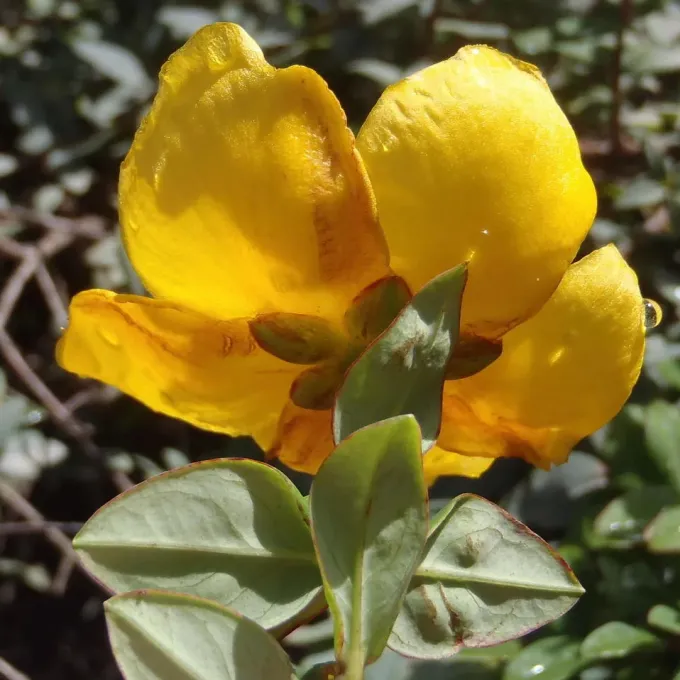
Description
Sowing dates
Sowing of Roeper's St. John's wort is best conducted in the spring when soil temperatures stabilize between 10-12 degrees Celsius. Utilizing stratified seeds is highly recommended, as this process significantly improves germination rates in field conditions.
Seeds should be sown at a shallow depth of 0.5 to 1 centimeter, as they require light exposure to trigger germination. Rows should be spaced 45 to 60 centimeters apart, allowing sufficient room for the plants to establish a robust canopy and root system.
The standard seeding rate is approximately 1.5 to 2 kilograms per hectare. Providing consistent moisture during the first three weeks post-sowing is critical for achieving a uniform stand, as the seedlings are quite delicate during their early growth stages.
Seedlings typically emerge within 14 to 20 days. Once the plants reach the two-to-three leaf stage, weeding is essential to remove competition from weeds, which can quickly overwhelm the young herbs in the nutrient-dense soil required for optimal growth.
When plants reach a height of 5-8 centimeters, thinning is necessary. Maintaining a spacing of 15-20 centimeters between plants within the row ensures proper airflow and light distribution, which are vital for the healthy development of the entire plantation.
##requirements##Roeper's St. John's wort, a member of the Hypericaceae family, is a sun-loving perennial that thrives in open, sunny environments. High levels of solar radiation are essential, as light exposure directly influences the concentration of active medicinal compounds in the foliage.
This crop prefers well-draining, sandy loam or light loamy soils with a neutral pH. Waterlogging is detrimental to this species; therefore, selecting fields with excellent drainage and a deep water table is a prerequisite for successful commercial production.
The ideal temperature range for vegetative growth is 18-25 degrees Celsius. While the plant shows moderate cold tolerance, it may require organic mulching in regions experiencing severe winters without consistent snow cover to protect the root crowns from freezing.
Soil fertility management involves regular organic matter incorporation during autumn tillage, followed by balanced NPK applications in early spring to support bloom initiation. Micronutrients can also be applied as a foliar spray during the budding stage to enhance yield.
Regular cultivation of inter-row spaces is required to maintain soil aeration and prevent crusting after rainfall. This practice is particularly important on heavier soil types to promote oxygen exchange within the rhizosphere, preventing root stress.
Yield
Yield potential of Roeper's St. John's wort varies depending on soil quality, weed management, and annual climatic conditions. Under optimal management, farmers can expect a yield of 2 to 4 tons of dried raw material per hectare.
Productivity typically peaks during the second and third years after establishment. By this time, the root systems are fully developed, and the plants produce a maximum number of flowering stems, which are the primary focus for pharmaceutical processing.
Harvesting takes place during the mass flowering stage, when the levels of secondary metabolites, such as hypericin, reach their maximum concentration. Scheduling the harvest during dry, sunny weather is crucial to ensure high product quality and ease of processing.
Transporting raw material immediately after harvesting is essential to prevent heating or fermentation of the plant mass, which can degrade the quality of the essential oils. Using ventilated transport containers is highly recommended for large-scale operations.
After four to five years of production, yields usually decline, marking the end of the crop cycle. At this point, the field should be rotated to other crops, such as legumes or cereals, to rest the soil and break the cycle of site-specific pests.
Main diseases and pests
The most common pests include leaf-feeding beetles, which can cause significant defoliation during the growing season. Integrated pest management (IPM) strategies, including biological control agents and targeted applications, are necessary to maintain crop health.
Powdery mildew is a prevalent disease, characterized by white fungal growth on leaves and stems. High humidity and poor airflow within the crop stand are the primary drivers of this condition, making proper row spacing and thinning vital preventive measures.
Rust disease may occur as brown pustules on foliage, reducing the commercial value of the harvested material. Infected plants should be promptly rogue out to prevent the spread of spores, and subsequent applications of approved fungicides may be required.
Root rot often occurs if the soil is poorly drained or if nitrogen fertilization is excessive. Maintaining a balanced hydration and nutrient program is the best defense against soil-borne pathogens that compromise the plant's structural integrity.
Continuous monitoring of the field is necessary from early spring until harvest. Since the crop is intended for medicinal use, the application of all protective chemicals must comply with international standards for herbal safety to ensure the final product is contaminant-free.
Harvesting
Harvesting is performed by cutting the upper 15 centimeters of the flowering stems. Leaving a portion of the stem ensures the plant maintains enough energy reserves to survive the winter and initiate growth during the following season.
Immediately after cutting, the material must be taken to a drying facility. Drying should occur in well-ventilated, shaded rooms or industrial dryers at temperatures between 40-45 degrees Celsius to preserve the delicate active components.
Once dried to the desired moisture level, the raw material must be cleaned of debris, stems, and discolored leaves. Maintaining the vibrant color and scent of the herb is a primary quality indicator for pharmaceutical purchasers.
Storage should take place in dry, cool, dark warehouses using airtight packaging to protect the herbs from humidity and light. Even minor moisture exposure can trigger mold growth, rendering entire batches of high-value medicinal material unusable.
Properly dried and stored, the shelf life of this herbal raw material is approximately three years. Producers should track batch ages to ensure that only fresh, high-potency material is supplied to consumers and manufacturers.