
Hypericum revolutum
Hypericum revolutum
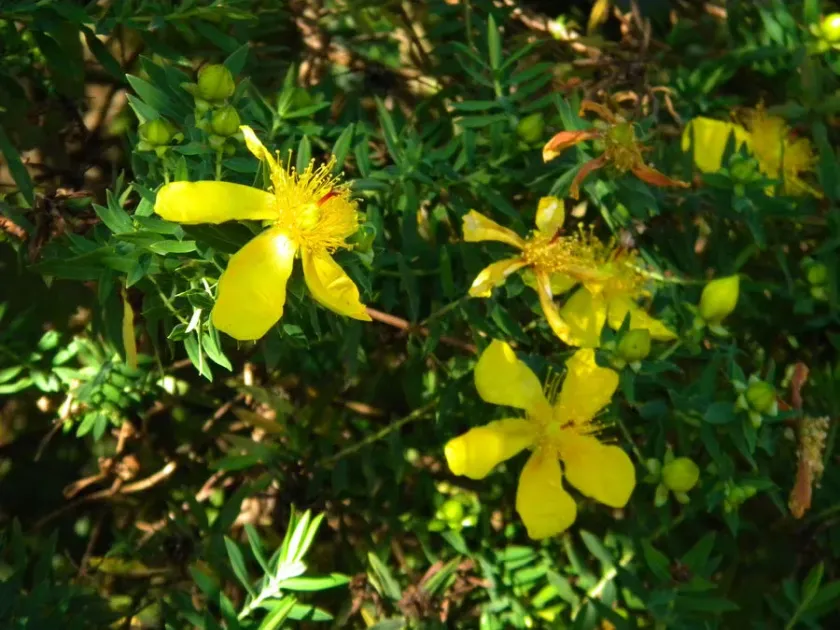
Description
Sowing dates
Hypericum revolutum is a distinct perennial evergreen shrub belonging to the Hypericaceae family. Unlike common meadow St. John's wort, this species possesses a sturdy, woody architecture that adapts well to structured agricultural environments.
The propagation of this crop is predominantly achieved via seeds or softwood cuttings. When starting from seeds, it is crucial to use high-quality substrates that provide optimal moisture retention while maintaining excellent drainage.
Seeds should be sown in trays or small pots during late winter or early spring in a climate-controlled greenhouse. A steady germination temperature is essential to ensure a synchronized emergence of seedlings.
Transplanting seedlings to the field requires caution, as the root system of Hypericum revolutum can be sensitive. Proper root ball development in the nursery stage significantly increases the survival rate after field planting.
Spacing during planting is a vital factor in long-term yield management. Providing sufficient room between individual shrubs promotes airflow and sunlight penetration, which are essential for the production of healthy foliage and flower buds.
Growing requirements
This species thrives in well-drained, fertile soils with a slightly acidic to neutral pH level. Avoiding waterlogged soil conditions is paramount, as the plant is highly susceptible to root decay when exposed to standing water.
Full sun exposure is the ideal environmental requirement for Hypericum revolutum. While the plant can tolerate partial shade, maximum sunlight is necessary to optimize the biosynthesis of secondary metabolites in its leaves and flowers.
Watering management should be tailored to the local climate. Although the shrub shows a degree of drought tolerance once established, consistent irrigation during the peak flowering stage will lead to a more robust final yield.
Regarding soil fertility, annual applications of balanced fertilizers during the active growth season are recommended. Organic mulching can further enhance soil health by maintaining moisture levels and suppressing unwanted weed growth around the plant base.
Beyond agricultural and medicinal value, the plant serves an important role in ornamental horticulture, valued for its evergreen nature and attractive yellow blooms that appear throughout the warmer months.
Main diseases and pests
Fungal pathogens, particularly those causing root rots and leaf spots, represent the most significant threat to Hypericum revolutum crops, especially in high-humidity climates or areas with poor field ventilation.
Pests such as mites and aphids may inhabit the plant during the growing season. Early detection through regular crop scouting is the most effective way to prevent extensive damage to the plant tissue.
To minimize disease pressure, practitioners should avoid over-fertilization with nitrogen, which creates succulent growth that is more attractive to pests, and prioritize consistent cultural practices like proper pruning.
Sanitation is a critical component of crop protection. Removing infected branches or decaying material promptly prevents the spread of pathogens to healthy neighboring plants within the production row.
Integrated Pest Management (IPM) strategies, including the use of beneficial insects or organic-compliant sprays, are encouraged to protect the purity and quality of the medicinal harvest while minimizing chemical residue.