
Lancaster's St. John's wort
Hypericum lancasteri
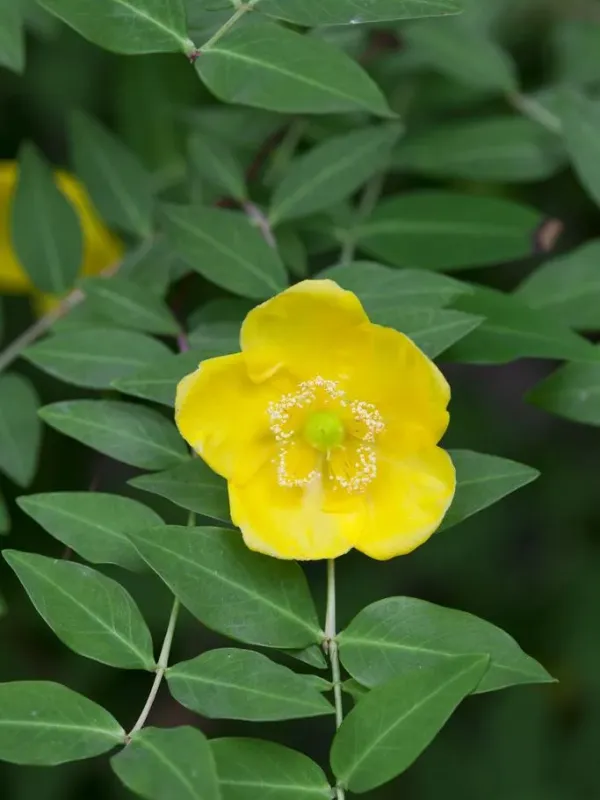
Description
Sowing dates
Planting Hypericum lancasteri is best performed in the spring season when the soil has warmed sufficiently to encourage root establishment.
Autumn planting is also a viable option in milder climates, provided the root system has enough time to settle before the ground freezes.
Propagation is most efficiently achieved through semi-hardwood cuttings taken during the mid-summer months to ensure high survival rates.
When installing the plants, ensure proper spacing between individual specimens to facilitate adequate air circulation and prevent overcrowding.
Initial preparation of the planting site includes incorporating organic compost to improve soil structure and moisture retention capacity.
Growing requirements
Hypericum lancasteri, a member of the Hypericaceae family, is a versatile ornamental shrub known for its attractive flowers and foliage.
This species thrives in locations that receive full sun to partial shade, sheltered from harsh, drying winds that can affect the leaves.
The ideal soil profile consists of well-drained, fertile earth with a neutral pH, preventing the waterlogging that the roots find detrimental.
Regular maintenance involves pruning after the flowering season to stimulate new growth and maintain the desired shape of the bush.
While relatively hardy, the plant benefits from a layer of mulch around the base to protect the roots from extreme temperature fluctuations.
Main diseases and pests
The primary health threats for this shrub include fungal issues like powdery mildew, particularly in areas with poor ventilation.
Insect pests, such as aphids and spider mites, may colonize the foliage during hot and dry spells, necessitating prompt intervention.
Effective management includes the application of specialized horticultural oils or systemic fungicides as soon as early signs of infection appear.
Cultural control, including the removal of dead or diseased branches, is vital for maintaining the overall vigor and sanitation of the plant.
Monitoring the plant health in early spring allows gardeners to apply preventative measures before the peak pest reproductive period begins.