
Hyssop-leaved St. John's-wort
Hypericum hyssopifolium
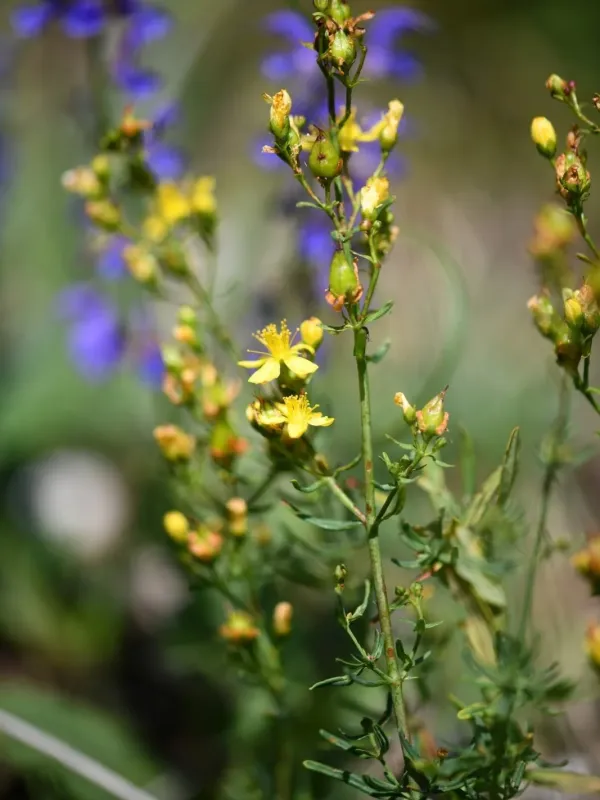
Description
Sowing dates
Hyssop-leaved St. John's-wort (Hypericum hyssopifolium) belongs to the Hypericaceae family and is a perennial herbaceous plant. The best time for sowing is early spring when soil temperatures reach 8–10°C, ensuring uniform germination.
Winter sowing is also possible in temperate climates. The plant's seeds are extremely small, requiring surface sowing with light pressing into the soil rather than deep planting.
The optimal planting pattern involves row spacing of 45–60 cm to facilitate mechanized maintenance. The culture can grow productively on the same site for 5–7 years with proper care.
Preparation of seed material includes stratification, which significantly improves germination rates. Using high-quality seed stock is a critical factor for achieving a dense stand.
Sowing rates vary depending on cultivation methods but generally range from 2–3 kg per hectare for standard row farming.
Growing requirements
The crop is light-loving and requires open, well-illuminated areas without shading. A lack of sunlight leads to a decrease in the concentration of biologically active substances.
Hypericum hyssopifolium prefers light, well-drained soils such as sandy loams with a neutral or slightly alkaline reaction. Waterlogging in the root zone is detrimental to the plant.
The plant possesses high drought resistance due to its origin in steppe and rocky regions. It easily survives long periods without precipitation.
Nutritional requirements are moderate, but the application of phosphorus-potassium fertilizers during early growth stages significantly strengthens the root system.
The optimal temperature range for vegetative growth is 20–25°C. In winter, the plant demonstrates high frost resistance.
Yield
The commercial yield of green mass directly depends on the plantation age and agronomic background. Maximum yield is reached in the 3rd to 4th year of life.
The yield of raw mass averages 15–25 centners per hectare depending on planting density. After drying, the yield of marketable medicinal raw material decreases by approximately 3–4 times.
The plant's productivity is determined by the qualitative composition of flavonoids and hypericin, which is a key indicator for the pharmaceutical industry.
Harvesting is performed during the mass flowering phase, when the concentration of beneficial substances reaches its peak. Timeliness is critical for maintaining quality.
Systematic fertilization with nitrogen-based fertilizers at the beginning of the season allows for increased vegetative mass, promoting higher commercial yields.
Main diseases and pests
The main threat to the plantings is fungal diseases that develop when moisture levels are not regulated. Root rot can affect crops during water stagnation.
Among pests, leaf beetles are the most dangerous, as they can quickly destroy the vegetative mass. Regular monitoring of plant health is required.
Sometimes plantations are infested by aphids, which extract sap from young shoots. Using biological protection methods is recommended to minimize chemical exposure.
A crucial agronomic practice against diseases is strict crop rotation. It is not recommended to return the crop to the same site for at least 4–5 years.
Timely weeding of rows reduces the risk of disease spread through weeds and improves soil aeration around the root system.
Harvesting
Harvesting is carried out in dry weather by cutting the flowering tops of shoots at a height of 10–15 cm above ground level. It is important not to damage the basal rosette.
Drying of the harvested material must occur immediately in well-ventilated rooms or driers at temperatures not exceeding 40–45°C.
To preserve color and quality, direct sunlight must be avoided during drying. Correctly dried raw material has a characteristic aroma and rich color.
In industrial scales, specialized mowers are used for harvesting, adjusted to cutting heights that meet medicinal quality standards.
After harvest, the remaining plant residues can be lightly cultivated to encourage the accumulation of nutrients in the rhizomes for successful overwintering.