
Hooker's St. John's wort
Hypericum hookerianum
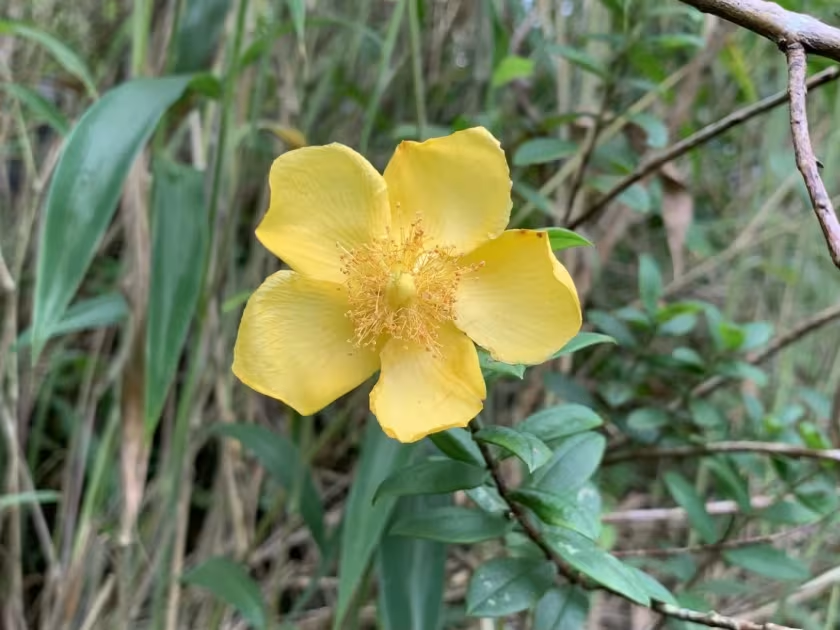
Description
Sowing dates
Sowing Hypericum hookerianum seeds is best performed in early spring once the soil has warmed sufficiently. Seeds require light to germinate, so they should be surface-sown on a moist, well-draining seed-starting mix without heavy coverage.
A consistent temperature between 15°C and 20°C is ideal for encouraging uniform germination. Using a humidity dome or light plastic cover helps maintain the necessary moisture levels while preventing the soil surface from drying out too quickly.
Once seedlings have developed two sets of true leaves, they should be pricked out into individual pots. This transition phase ensures that young plants establish a robust root system before being hardened off and transplanted outdoors.
When transplanting into the landscape, space the plants at least 50–60 cm apart. This spacing allows for proper air circulation, which is essential for reducing the humidity around the foliage and preventing fungal infections.
For those preferring vegetative propagation, semi-hardwood cuttings taken in mid-summer are highly effective. These cuttings should be kept in a protected environment with high humidity until roots are clearly visible.
Growing requirements
Hooker's St. John's wort belongs to the Hypericaceae family and is prized for its golden, bowl-shaped flowers and dark green evergreen foliage. It thrives in sunny locations but can tolerate partial shade in hotter climates.
The ideal soil for this shrub is fertile, rich in organic matter, and must have excellent drainage. While it appreciates moisture, it will not tolerate waterlogged conditions, which frequently lead to root failure.
Regular watering is necessary during the first two years of establishment, especially during dry spells. Once established, the plant becomes reasonably drought-tolerant but will continue to flower more prolifically with consistent moisture.
Feeding the plant with a balanced slow-release fertilizer in early spring supports vigorous growth. Avoid excessive nitrogen late in the season, as this can encourage soft new growth that is susceptible to winter damage.
Pruning should be performed in early spring before the new growth begins. Removing deadwood and thinning out crowded branches helps maintain a compact, attractive habit and ensures better light penetration into the center of the shrub.
Main diseases and pests
Powdery mildew is the most common fungal threat, particularly in late summer when nights are humid. Improving airflow around the plant through proper pruning is the most effective way to prevent outbreaks.
Leaf-eating insects can occasionally damage the foliage, though the plant is generally resilient to minor infestations. If damage becomes significant, neem oil or other horticultural soaps provide an effective organic solution.
Root rot is almost always linked to poor drainage. If the soil stays wet for too long, the root crown will decay rapidly. Selecting a planting site with natural drainage or amending heavy clay soil is essential for long-term health.
Rust infections, characterized by orange or brown pustules on the undersides of leaves, can occur in cool, wet springs. Removing infected leaves promptly helps keep the spread of spores to a minimum.
Maintaining plant health through good horticultural practices is the best line of defense. By monitoring the garden regularly and ensuring that the plant receives adequate light and airflow, most common issues are easily managed.