
Hyperacanthus amoenus
Hyperacanthus amoenus
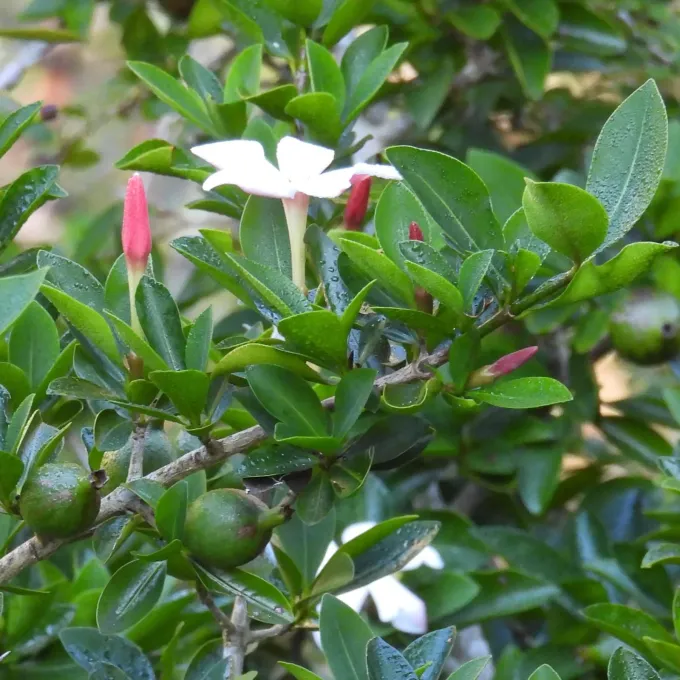
Description
Growing requirements
Hyperacanthus amoenus is a perennial shrub or small tree belonging to the Rubiaceae family. This botanical group is known for its ecological requirements similar to those of gardenias and coffee plants, necessitating specific environmental management for successful cultivation.
Native to the tropical regions of Africa, this species thrives in warm and humid environments. It requires a climate with high ambient temperatures throughout the year, as it is highly sensitive to frost and cannot withstand prolonged cold periods.
For optimal development, the crop requires fertile, well-drained soil with a slightly acidic to neutral pH level. Proper drainage is essential, as the roots are susceptible to decay if exposed to waterlogged soil for extended periods.
The plant demonstrates the best growth results in partial shade or filtered sunlight. This specific light requirement makes it suitable for both greenhouse production and controlled outdoor cultivation in tropical latitudes.
Agronomic practices for Hyperacanthus amoenus include regular fertilization with balanced nutrient profiles during the active growing season to support biomass development and blooming. Its aesthetic appeal makes it a valuable plant in various landscaping and botanical applications.
Main diseases and pests
The primary pests affecting Hyperacanthus amoenus in cultivation include spider mites and mealybugs. These organisms typically proliferate in environments with low humidity, necessitating regular monitoring of the foliage to prevent significant infestations.
Fungal diseases, such as powdery mildew, may emerge in stagnant air or environments with poor ventilation. Ensuring adequate air circulation between plants is a crucial preventive measure for maintaining a healthy plantation.
Root rot remains a major threat when water management practices are inadequate. The accumulation of excess water in the root zone must be avoided through soil amendments or well-designed drainage systems.
Integrated pest management (IPM) strategies, including the use of beneficial insects and biological control agents, are recommended to maintain the ecological balance and ensure long-term plant health.
Consistent observation of plant health indicators, such as leaf discoloration or growth stunting, allows for early intervention against biotic and abiotic stressors, thereby preserving yield potential and aesthetic quality.