
Hymenopellis raphanipes
Hymenopellis raphanipes (Berk.) R.H. Petersen
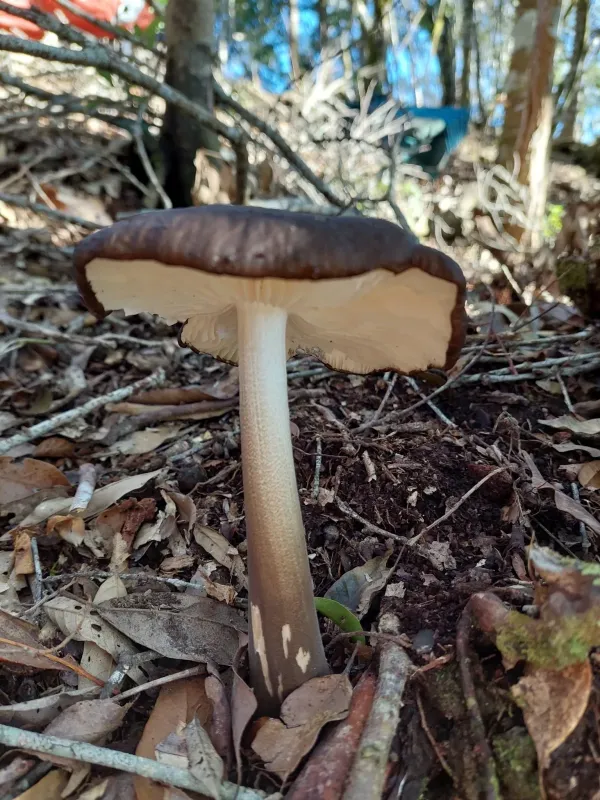
Description
Sowing dates
This species is not a conventional agricultural crop, and it does not follow standard seeding protocols. In natural environments, the fungus spreads via spores that germinate in forest soil enriched with decaying organic matter.
Artificial cultivation involves the preparation of a sterilized substrate rich in lignocellulose, such as wood chips or sawdust. The mycelium is inoculated into this medium, which serves as both a source of nutrients and a structural foundation for growth.
The life cycle within a controlled environment is highly dependent on the maturation rate of the mycelium. Proper colonization of the substrate is critical, typically taking several weeks depending on the temperature and moisture levels maintained by the grower.
Inoculation must be performed under strict hygienic conditions to prevent contamination by aggressive molds or bacteria. Successful cultivation requires a deep understanding of the biological needs of this wood-decay fungus.
The transition from the vegetative stage to the formation of fruit bodies requires a specific environmental trigger, often involving a change in air humidity or slight temperature modulation. This mimics the natural seasonal shifts found in wild habitats.
Growing requirements
Hymenopellis raphanipes requires a shaded environment with high relative humidity to thrive. It naturally occurs in moist woodlands where it acts as a decomposer, breaking down the complex compounds of fallen branches and rotting tree trunks.
The ideal temperature range for mycelial growth is between 15 and 20 degrees Celsius. Maintaining stability within this range is essential, as fluctuations can inhibit the development of the mushroom and increase the risk of disease.
Substrate moisture must be carefully regulated; while high humidity is necessary for growth, excessive water leads to anaerobic conditions that quickly kill the mycelium. Proper drainage within cultivation beds is a fundamental requirement.
The fungus prefers a slightly acidic environment with sufficient aeration. Good gas exchange is vital, as the accumulation of carbon dioxide can stunt the growth of the mushroom cap and lead to malformed specimens.
Light levels should be low, mimicking the floor of a dense forest. Excessive light exposure can cause the cap to lose moisture rapidly and trigger premature aging or discoloration of the delicate fungal tissues.
Yield
In its natural habitat, this mushroom is found sporadically, which makes high-volume harvesting impossible. It does not form dense clusters, thus yield is primarily dependent on the extent of the forest area and environmental health.
Under artificial cultivation conditions, the yield is limited by the biological efficiency of the substrate and the frequency of cropping cycles. Modern methods focus on optimizing the nutrient mix to increase fruit body size.
The production cycle is characterized by a specific harvest period followed by a rest phase. During this time, the mycelium needs to recover its energy reserves before it can support the development of a subsequent batch of mushrooms.
While yield numbers per square meter remain lower than those of commercial button mushrooms, the market value of this species is significantly higher. This makes it an attractive niche product for gourmet markets.
Data on yield suggests that yield can be improved by adding specific wood-based supplements to the substrate. However, too much supplementation can lead to a build-up of metabolic byproducts that limit further growth.
Main diseases and pests
The primary threats to this fungus are fungal pathogens that compete for the same resource. Molds such as Trichoderma can rapidly overgrow the substrate, effectively killing the Hymenopellis mycelium in a short period.
Pests, particularly fungus gnats, pose a significant risk as they burrow into the fruiting bodies, rendering them unmarketable. Implementing insect-proof screens in cultivation facilities is a necessary measure to protect the crop.
Bacterial diseases often manifest as dark spots on the cap and soft rot in the stem. These are usually triggered by excessive surface moisture or lack of ventilation, which causes water to sit on the fruiting bodies for too long.
Environmental stress, including unexpected temperature spikes or chemical contamination, significantly impairs the mushroom's health. The species is highly sensitive to pollutants and requires pristine growing conditions.
In wild populations, habitat destruction and changes in forest composition are the greatest threats. Sustainable management of forest lands is essential to ensure that the species continues to exist in its natural environment.
Harvesting
Harvesting should occur when the cap is fully expanded but still firm. Picking the mushrooms at the right maturity stage is crucial to ensure the best flavor profile and texture for gourmet culinary use.
To harvest, the fruit body should be carefully twisted out from the substrate base. This method minimizes damage to the underlying mycelial network, allowing the fungus to maintain its vigor for future growth cycles.
Once picked, the mushrooms must be cleaned of any adhering debris using a soft brush. Washing is strictly discouraged, as it softens the flesh and accelerates the deterioration process, drastically reducing shelf life.
Packaging should provide adequate air circulation while preventing physical damage to the caps. These mushrooms are delicate, and any bruising will result in rapid tissue oxidation and quality degradation during transit.
Freshly harvested mushrooms should be stored at 2–4 degrees Celsius for no more than two days. For long-term preservation, low-temperature drying is the preferred method, as it preserves the unique aromatic compounds of the fungus.