
Hymenonema graecum
Hymenonema graecum
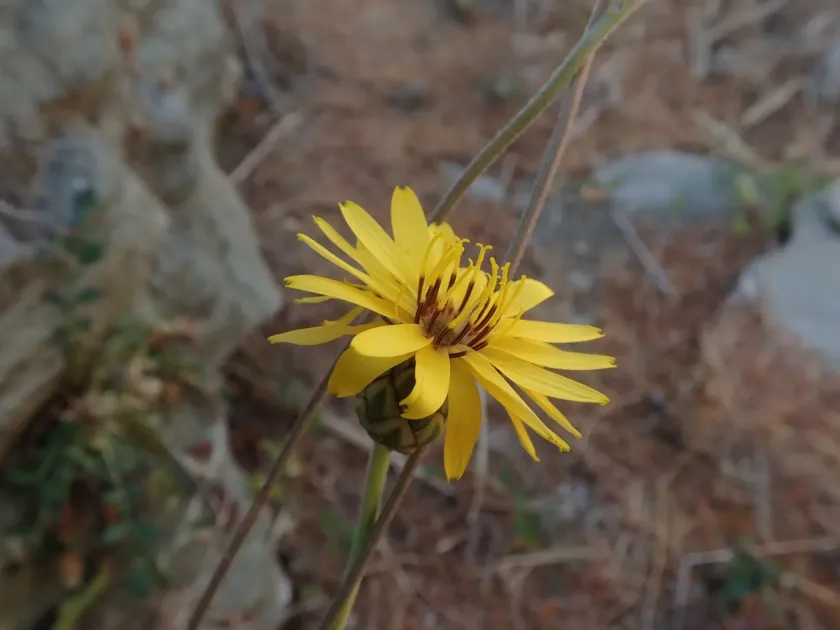
Description
Sowing dates
Hymenonema graecum is a perennial herbaceous plant belonging to the Asteraceae family. Its natural habitat is restricted to the rocky slopes and meadows of Greece, which dictates its specific physiological and ecological requirements.
The sowing season typically occurs in early spring once soil temperatures reach 10–12 degrees Celsius. Seeds are known for having a period of dormancy, necessitating stratification to ensure uniform and efficient germination rates in field conditions.
Development during the initial growth stages is notably slow. Agricultural practices involve wide-row planting, which provides necessary space for root development and simplifies the mechanical maintenance of rows during the first year of growth.
During the first vegetation cycle, the plant focuses on establishing a robust basal rosette of leaves. The main reproductive shoot, which carries the inflorescence, typically emerges only in the second or third year following maturation.
Strategic site selection is critical for this crop. It requires full sunlight exposure throughout the day, as any level of shade will hinder development, resulting in weak stems and poor physiological health.
Growing requirements
Effective cultivation of Hymenonema graecum demands well-drained, porous soils. Rocky, sandy, or loamy soil profiles are ideal, as they prevent water accumulation around the roots, which is vital for the survival of this species.
As a Mediterranean xerophyte, the plant shows significant drought tolerance once established. Minimal irrigation is required, and farmers must prioritize drainage over moisture retention to prevent the onset of fungal diseases.
The crop thrives in neutral to slightly alkaline soil conditions. Maintaining an appropriate pH is essential for nutrient availability, especially for microelements that support the plant's structural development and resilience.
The climate requirements include hot, dry summers and mild winters. While the plant can withstand occasional temperature dips, it is highly sensitive to excessive atmospheric humidity during the colder months of the year.
Fertilization should be handled with precision, focusing on potassium and phosphorus levels to build immunity. High nitrogen inputs must be avoided to prevent excessive vegetative growth that can weaken the plant's defense mechanisms.
Main diseases and pests
Root rot, driven by stagnant moisture and poor drainage, remains the primary threat to the crop. Farmers must conduct regular inspections of the basal area to detect signs of decay in the root system early.
Soil-dwelling insects can cause damage to the roots of young plants. Crop rotation is considered the most effective agronomic tool for managing these populations and protecting the long-term health of the plantation.
Slugs and snails may present a risk to the foliage during periods of increased humidity. Barriers such as gravel mulching can effectively reduce the movement of these pests towards the developing rosettes.
Fungal leaf spot diseases are secondary threats that emerge in poorly ventilated environments. Proper plant spacing is essential to ensure adequate airflow, which keeps the leaf surfaces dry and inhibits fungal spore germination.
Prompt removal of symptomatic plants is mandatory to maintain site hygiene. Biological controls are preferred over chemical pesticides to preserve the ecosystem and ensure the crop quality remains within high standards.