
Hymenaea courbaril
Hymenaea courbaril L.
Description
Sowing dates
The propagation of Hymenaea courbaril typically starts with seed preparation, as the seeds possess a hard, protective coat that requires mechanical scarification.
Soaking the seeds in warm water for at least 24 hours prior to planting is a standard practice to enhance germination rates and ensure uniform seedling emergence.
Nursery cultivation is preferred, using well-draining soil mixtures enriched with organic matter to support the rapid development of the root system.
Planting depth is crucial; burying seeds 2 to 3 cm deep provides enough protection while allowing the seedling to break through the surface effectively.
It is essential to keep the seedlings in a shaded environment during the early stages of growth to prevent desiccation from intense tropical sunlight.
Growing requirements
Hymenaea courbaril belongs to the Fabaceae family and is native to the tropical regions of the Americas, thriving in warm and humid climates.
The tree is a heliophyte, meaning it requires full sun exposure to reach its maximum growth potential and develop a robust, healthy structure.
Soil requirements include deep, fertile, and well-drained substrates; the tree does not tolerate waterlogging, which can easily trigger root rot.
Ideal temperatures range from +22°C to +30°C, and the species shows a remarkable ability to adapt to varying moisture levels once it is well-established.
Agronomic planning must account for the tree's significant size, requiring wide spacing in plantation layouts to prevent resource competition as the trees mature.
Yield
The primary economic value of the species lies in its high-density timber, known commercially as Jatoba, which is highly sought after for construction and flooring.
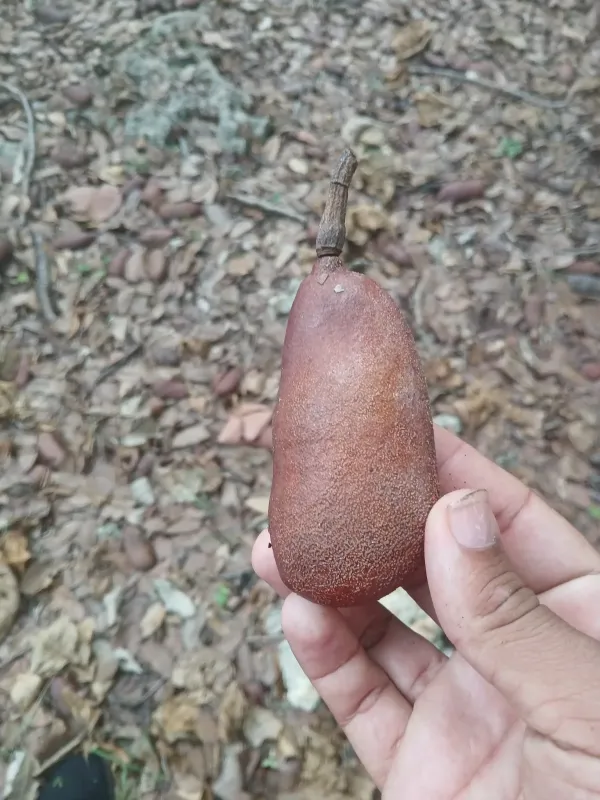
The fruits, produced in large pods, contain a starchy, edible pulp that has historically been used as a nutritional supplement and in local food processing.
Resin production, known as Brazilian copal, serves as a significant secondary product, harvested from the base of the trunk or through controlled incisions.
Yield cycles for timber are long-term, often spanning 30 to 50 years, necessitating a patient approach to investment and forestry management.
Fruit productivity increases with the age and health of the tree, with mature specimens capable of producing substantial annual yields under optimal conditions.
Main diseases and pests
Seedlings are particularly vulnerable to leaf-eating insects and requires constant monitoring during the nursery phase to prevent pest outbreaks.
Fungal diseases are a primary concern, especially in areas with poor drainage, which can weaken the tree's vascular system and reduce timber quality.
Wood-boring insects are a potential threat to older trees, particularly those weakened by environmental stress, making regular site inspections necessary.
Weed control around the base of the trees is crucial during the first few years to minimize competition for nutrients, light, and water.
Maintaining biological diversity around the plantation can help natural predators control insect populations, reducing the need for chemical interventions.
Harvesting
Fruit harvesting occurs when the pods reach full maturity and turn deep brown, indicating that the pulp inside is dry and ready for processing.
Timber harvesting requires careful planning and the use of sustainable logging practices to ensure the long-term viability of the plantation forest.
The collection of resin is a manual process, focusing on gathering exudates found naturally on the bark or soil, which maintains the tree's health.
Post-harvest processing involves drying the fruit pulp to prevent mold and grinding it into a fine powder for commercial storage and transport.
Proper storage facilities are mandatory to manage moisture levels, protecting the harvested timber and fruit products from environmental degradation.