
Hygrophila phlomoides
Hygrophila phlomoides
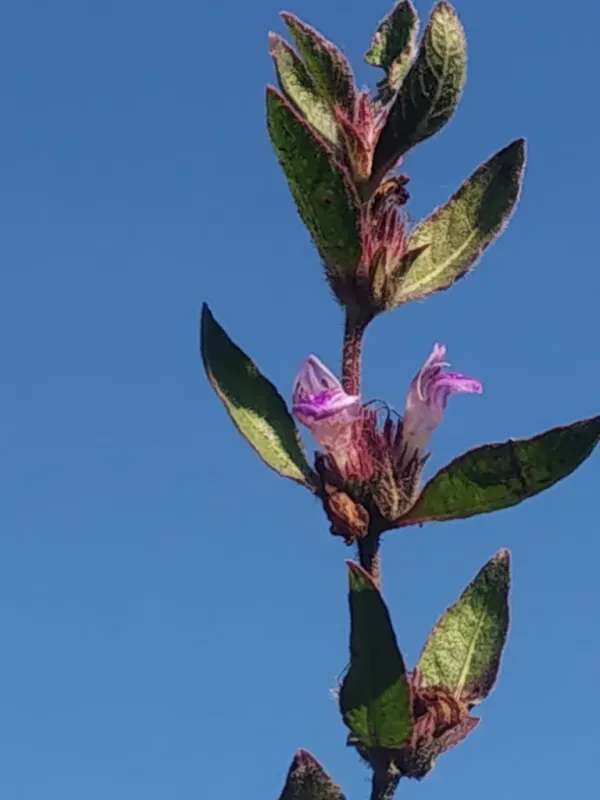
Description
Growing requirements
Hygrophila phlomoides is a plant species belonging to the Acanthaceae family. It is native to the tropical regions of Asia, where it typically inhabits marshes, riverbanks, and areas with high water saturation, demonstrating significant environmental resilience.
The botanical structure of the plant consists of erect stems covered in fine hairs and opposite leaves. This morphology allows the plant to thrive in dense clusters, making it an excellent candidate for managed aquatic and semi-aquatic environments.
Success in cultivating this species depends on maintaining consistent tropical conditions, ideally with temperatures ranging between 22°C and 28°C. Deviations from this range often lead to physiological stress and stunted development.
The substrate should be rich in nutrients, providing essential minerals to support vigorous growth. If cultivated in hydroponic or aquatic systems, the addition of macro and micronutrients is vital to maintain health and prevent nutrient deficiency symptoms like leaf chlorosis.
Proper light management is essential, as Hygrophila phlomoides requires high levels of light intensity to maintain its compact shape and vibrant foliage color. In low-light scenarios, the plant tends to stretch, resulting in weak, elongated stems.
Main diseases and pests
Fungal infections pose the greatest threat to the crop, particularly when ventilation is poor or moisture levels remain stagnant on the foliage. Maintaining adequate air circulation is a primary preventative measure for all growers.
Pests such as spider mites can infest the plant, especially in greenhouses with low ambient humidity. Regular monitoring of the underside of leaves is recommended to detect early signs of pest activity before an outbreak occurs.
Root rot is a common ailment caused by waterlogged substrates lacking proper drainage or oxygenation. Implementing a structured irrigation or water-change schedule is crucial to preserving the integrity of the root system.
Virus-related mosaic patterns may occur, requiring the immediate isolation and removal of infected plants to protect the rest of the crop. Biosecurity practices, such as sanitizing tools, are highly recommended.
Nutritional imbalances, often mistaken for disease, can make the plant vulnerable to secondary infections. Ensuring a balanced fertilization program helps strengthen the plant's natural defenses against various environmental pathogens.