
Echinacea and Rudbeckia hybrids
Hybrids between Echinacea purpurea and Rudbeckia hirta
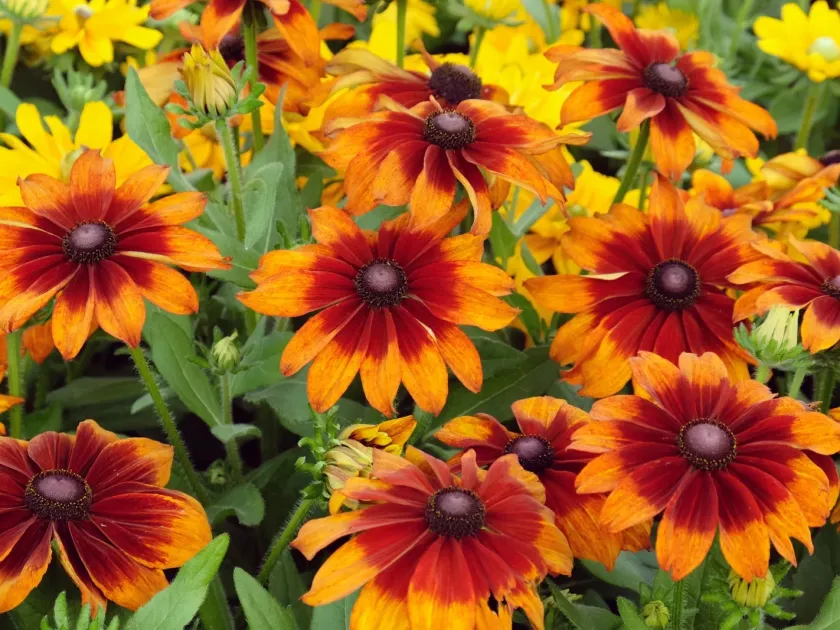
Description
Sowing dates
Propagation of Echinacea and Rudbeckia hybrids is typically done through seeds sown in late winter indoors to ensure a robust seedling development before spring.
Seeds require a period of cold stratification for about 3–4 weeks to break dormancy and ensure uniform germination across the seed tray.
The optimal germination temperature is between +20 and +22 degrees Celsius, provided that the soil surface remains moist but not waterlogged.
Transplanting seedlings to the field is performed once the danger of late spring frost has completely passed and soil temperatures have warmed up.
Direct sowing in the garden is possible, but this method often results in plants that do not flower until the second year of their growth cycle.
Growing requirements
These intergeneric hybrids belong to the Asteraceae family and thrive in full sun locations with well-draining, nutrient-rich soil types.
While the plants are relatively adaptable, they perform best in soils with a slightly alkaline to neutral pH level for optimal nutrient uptake.
Regular irrigation is necessary during the establishment phase, although mature plants exhibit significant drought tolerance once deep roots are developed.
Incorporating organic compost into the planting hole enhances soil structure and provides the necessary nutrients for sustained vegetative growth.
Proper plant spacing of at least 45 cm is crucial to ensure adequate airflow, which is the primary defense against foliage diseases in humid climates.
Yield
These hybrids are primarily utilized in professional landscape architecture and high-end residential gardening for their vibrant display.
In commercial floriculture, they are valued for their sturdy, long-lasting cut stems, which serve as excellent focal points in floral arrangements.
The flowering duration, extending from mid-summer until the first frost, makes these hybrids essential for maintaining seasonal interest in garden beds.
The number of blooms per plant can be high if regular deadheading is practiced, encouraging the plant to produce a continuous flush of flowers.
While primarily ornamental, the unique genetic combination of these hybrids offers significant potential for further selective breeding programs.
Main diseases and pests
Powdery mildew is the most common fungal issue, particularly in late summer when nights become cooler and humidity levels fluctuate significantly.
Root rot, often caused by poor soil drainage or excessive irrigation, can lead to rapid decline and mortality in hybrid plant populations.
Aphids and spider mites are the main insect pests, requiring monitoring during hot and dry spells when they tend to congregate on young growth.
Integrated pest management strategies, including the use of neem oil or insecticidal soaps, are recommended to control infestations without harming pollinators.
Good garden hygiene, such as clearing debris at the end of the season, is essential for reducing the carry-over of pathogens into the following year.
Harvesting
For cut flowers, harvest the stems early in the morning when the water content is high to maximize the longevity of the blooms in a vase.
Use clean, sharp shears to cut the stems, leaving sufficient foliage on the plant to support energy reserves for the dormant winter period.
Place stems in clean water immediately after harvesting and add commercial floral preservative to inhibit bacterial growth in the vase water.
If harvesting for seeds, allow the flowers to fade and dry completely on the stalk before collecting the dark, mature seed heads for processing.
Store collected seeds in a cool, dark, and dry environment to maintain viability for the next planting season and prevent fungal spoilage.