
Intergeneric hybrids of Echeveria and Graptopetalum
Hybrids between Echeveria elegans Rose, Echeveria pulidonis E. Walther and Graptopetalum filiferum (S. Watson) J. Whitehead
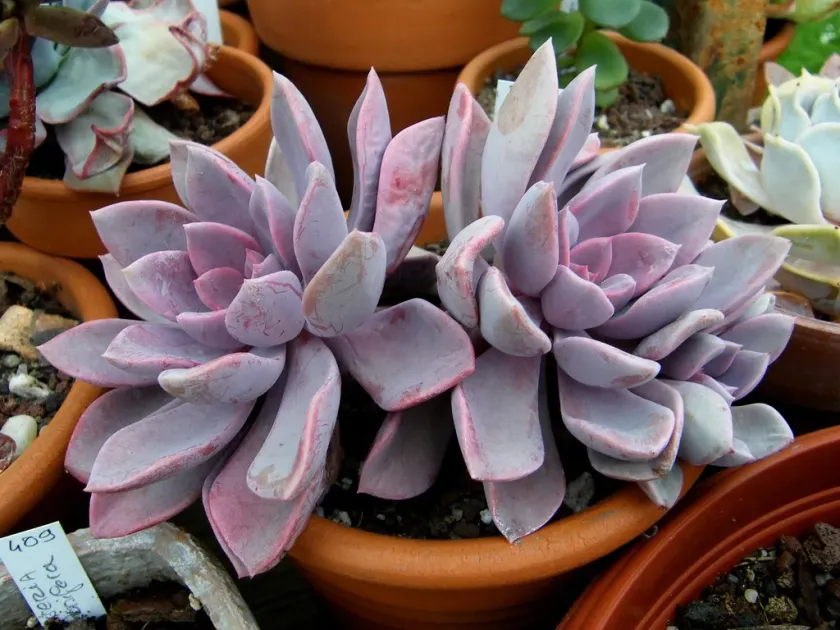
Description
Sowing dates
Propagation of these intergeneric hybrids is primarily done through vegetative means, such as leaf cuttings, to ensure the clone maintains the unique characteristics of the parent plants.
The best time to take cuttings is during the active growing season in late spring or early summer. Leaves should be removed cleanly from the stem to avoid damaging the base.
Cuttings must be left in a dry, shaded place for several days to allow a callus to form. This prevents rot when they are eventually placed onto the rooting medium.
A fast-draining substrate consisting of coarse sand, pumice, and minimal peat is ideal. Roots usually emerge within 3 to 6 weeks depending on temperature and light conditions.
Seed propagation is possible but challenging, as the offspring often show significant variation from the parents. It requires stable temperatures around 22°C and high humidity levels.
Growing requirements
These plants belong to the Crassulaceae family and are well-adapted to high light environments. Providing sufficient sunlight is crucial to maintain their compact rosettes and vibrant colors.
A well-draining soil mix is mandatory. Most commercial potting soils retain too much moisture, so blending with perlite or grit is necessary for a healthy root system.
The "soak and dry" watering method is recommended. Water the plant thoroughly and then wait until the soil is completely dry before adding any more moisture to the container.
Optimal temperatures range between 18°C and 25°C. During the winter, plants should be kept cool and dry to encourage dormancy and prevent weak, etiolated growth.
Fertilization should be kept to a minimum. A balanced, dilute liquid fertilizer applied once or twice during the peak growing season is usually sufficient to support health.
Main diseases and pests
Root rot is the most common threat, usually caused by overwatering or poor drainage. Once roots rot, the damage often spreads rapidly to the stem, leading to the collapse of the plant.
Mealybugs are frequent pests that settle in the crevices between leaves. They extract sap and can cause the plant to become deformed if not treated promptly with systemic pesticides.
Spider mites are another concern in dry environments. They cause stippling on the leaves and can leave fine webbing around the growth points, significantly reducing plant quality.
Providing excellent air circulation is the best preventative measure against fungal and pest issues. Proper spacing between pots helps keep the humidity around the foliage low.
In case of severe infestation or decay, it is often safer to propagate healthy portions of the plant rather than attempting to treat a heavily compromised specimen.
Harvesting
In a horticultural context, these hybrids are valued for their aesthetic appeal in decorative arrangements and xeriscaping. They are popular staples in the nursery trade.
The production process involves carefully monitoring growth stages, culling weak or asymmetrical plants, and hardening them off before they reach the consumer market.
Handling during packaging is critical, as the delicate wax-like coating (farina) on the leaves is easily marred, which can diminish the market value of the plant.
These succulents serve as reliable indoor plants that adapt well to various environments, making them a consistent commodity for retail garden centers and online collectors.
Post-harvest care involves ensuring the plants have adequate light during transport to prevent stretching, which is a common issue when plants are kept in dark boxes for extended periods.