
Hybrid of Cornus officinalis and Cornus mas
Hybrids between Cornus officinalis Siebold & Zucc. and C. mas L.
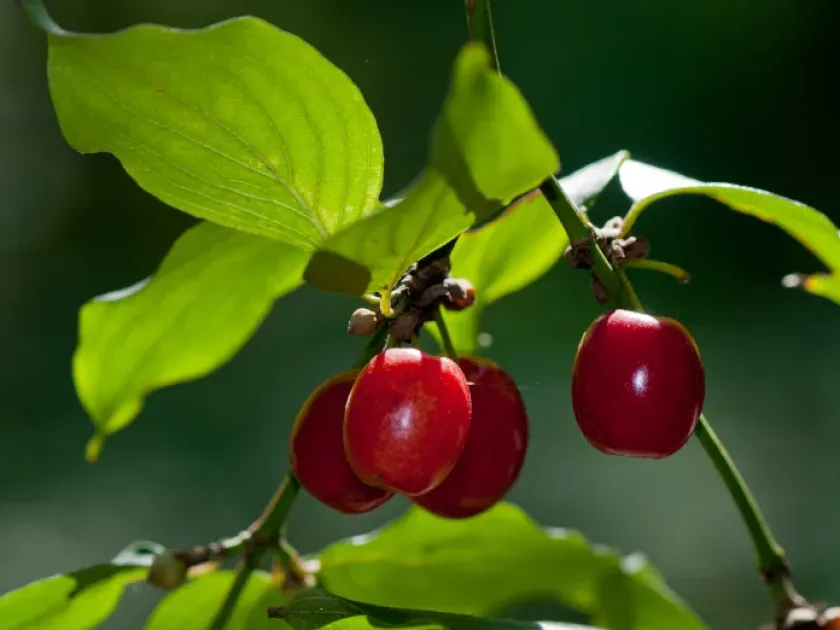
Description
Sowing dates
Propagation of this dogwood hybrid is achieved primarily through grafting or budding, as the plants do not breed true from seeds. The best time for grafting is early spring, when the rootstock begins to show signs of sap flow.
Seedlings of Cornus mas are typically used as reliable rootstocks due to their excellent cold hardiness and vigor. Choosing the right rootstock is essential for the long-term health and productivity of the hybrid plant.
Planting young trees in the permanent location is recommended during the dormant season, preferably in autumn. This allows the roots to settle into the soil before the stress of the spring growing season begins.
When planting, ensure the root collar is positioned at the soil surface. Proper spacing of approximately 4 to 5 meters ensures that the trees have enough room to develop their natural canopy without overcrowding.
Mulching around the base of the plant is vital to retain moisture and suppress weed competition during the establishment phase. Water regularly during the first growing season to prevent transplant shock.
Growing requirements
The hybrid thrives in full sun but prefers locations protected from harsh, drying winds. Soil should be fertile, well-draining, and slightly alkaline or neutral, providing the nutrients necessary for robust growth.
As a member of the Cornaceae family, this hybrid combines the early flowering traits of Cornus officinalis with the size and vigor of Cornus mas. It is well-adapted to temperate climates but requires care to reach its full potential.
Regular fertilization with nitrogen-based fertilizers in spring supports vegetative growth, while phosphorus and potassium applications in late summer help the plant prepare for dormancy and winter conditions.
Pruning is essential for maintaining a healthy structure and maximizing yield. Removing crossing or inward-growing branches allows sunlight to penetrate the canopy and improves air circulation, reducing disease risk.
Water management is crucial during the fruit-set period. While established plants are relatively drought-tolerant, supplemental irrigation during dry spells results in larger, better-quality fruit yields.
Yield
Yields are significantly higher in these hybrids due to hybrid vigor. Grafted specimens typically begin producing fruit within three to four years, making them an efficient choice for orchard setups.
The fruit possesses a superior nutritional profile, blending the medicinal properties of C. officinalis with the commercial appeal and size of C. mas. Healthy mature trees can produce substantial harvests.
Consistent productivity is achieved through proper cross-pollination. Planting multiple cultivars in close proximity ensures effective fertilization, which is key to preventing premature fruit drop and increasing overall yield.
Regular maintenance, including nutrient management and canopy pruning, keeps the trees productive for many years. High yields make this crop an attractive option for both home orchards and commercial berry production.
The fruits reach maturity at different times depending on the specific hybrid clone, allowing for an extended harvest window if different varieties are planted.
Main diseases and pests
The main threats to the hybrid are fungal issues, particularly powdery mildew, especially in regions with high humidity. Preventive fungicide applications in early spring can effectively control these pathogens.
Insects like aphids and leaf rollers may target the tender spring foliage. Regular monitoring is essential to detect these pests early and apply appropriate integrated pest management strategies if necessary.
Bacterial diseases can occur if the bark is damaged, so careful tool maintenance is required. Always disinfect pruning tools between trees to prevent the spread of infections throughout the orchard.
Winter injury, such as sunscald, can weaken the bark. Painting the trunk with white latex paint or using protective tree wraps helps maintain bark integrity and reduces the risk of secondary infections.
Maintaining high horticultural standards, including proper sanitation and balanced tree nutrition, is the best way to ensure the plant's natural resistance to common diseases and pests.
Harvesting
Fruit should be harvested when fully ripe, indicated by a deep, rich color and a soft texture. Careful handling is necessary to prevent bruising, which quickly reduces the quality and shelf life of the berries.
Commercial harvesting requires picking the fruit with the stem attached to maximize storage potential. Storing the harvested fruit in a cool, well-ventilated environment is essential for maintaining freshness.
The fruit is highly valued for processing into jams, syrups, and pharmaceutical extracts due to its high concentration of antioxidants and organic acids. It represents a significant niche product in the food industry.
After the harvest, a deep watering and a final fall fertilization are recommended to help the tree recover and set buds for the following year. This is a critical stage in the annual maintenance cycle.
Storage of the fresh fruit is limited, so efficient logistics and immediate processing or cold-chain distribution are required to manage the harvest effectively without loss of product value.