
Hyalis argentea
Hyalis argentea
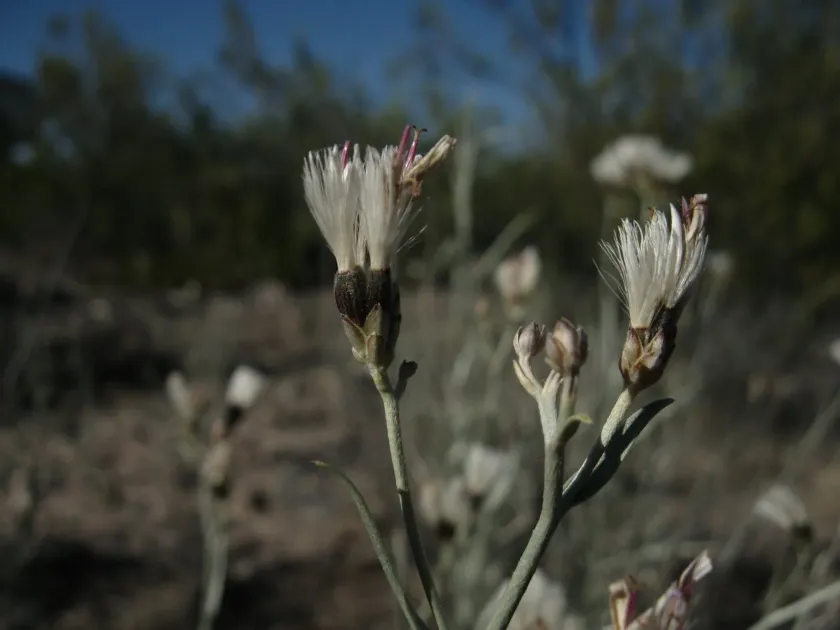
Description
Sowing dates
Hyalis argentea is a perennial herbaceous plant that reproduces naturally through seeds and rhizome offsets, making it a robust species for propagation.
In agricultural settings, sowing is recommended during the spring season when soil temperatures remain stable between 12 and 15 degrees Celsius.
Seed germination can be influenced by natural dormancy, so professional growers often utilize stratification techniques to improve overall emergence rates.
Due to the small size of the seeds, they should be sown at a shallow depth of 1–2 centimeters, ensuring they receive enough light to trigger germination.
Regular inter-row cultivation is essential during the early developmental stages to protect the young seedlings from aggressive weed competition.
Growing requirements
Belonging to the Asteraceae family, Hyalis argentea originates from the semi-arid environments of South America, specifically in regions of Argentina.
The plant possesses a high degree of drought tolerance, supported by a deep and extensive root system capable of reaching moisture in subsurface soil layers.
Well-drained, sandy, or loamy soils are ideal for this crop, as it is highly sensitive to waterlogging and poor soil aeration which may cause root damage.
It thrives in full sunlight, requiring prolonged exposure to light to maximize its vegetative biomass and support its physiological development.
The crop is well-adapted to fluctuating diurnal temperatures, making it a viable candidate for cultivation in arid or semi-desert climate zones.
Yield
Hyalis argentea is primarily valued as a honey plant and a potential source of forage biomass in regions where conventional crops struggle due to low water availability.
The biological productivity of the plant remains relatively stable even under harsh environmental conditions, providing reliable output over multiple growing seasons.
During the flowering period, it serves as a critical resource for pollinators, significantly contributing to the local biodiversity of agricultural landscapes.
Research into the chemical composition of the plant is ongoing, focusing on its potential applications in secondary industries and pharmaceutical sectors.
Optimal yields are achieved by the second or third year of growth once the root system is fully established and the plants have reached maturity.
Main diseases and pests
The primary agricultural threats to this species include root rots, which typically develop in poorly drained soils or during periods of excessive rainfall.
Various insects, such as moths and aphids, may target the vegetative parts of the plant, potentially reducing overall health and biomass quality.
Weed infestation is a major challenge, especially during the establishment year, necessitating either mechanical removal or selective herbicide application.
Crop rotation practices should avoid planting Hyalis argentea after other Asteraceae members to prevent the buildup of soil-borne pathogens and pests.
Maintaining proper plant density is essential for good airflow through the crop canopy, which effectively minimizes the development of fungal infections.
Harvesting
Harvesting for biomass is optimally performed during the peak flowering stage, ensuring that the nutrient concentration in the stems and leaves is at its highest.
Seed harvesting requires specialized equipment calibrated for small particles to minimize loss and ensure the purity of the collected seed lots.
After cutting, the biomass must be dried promptly in a controlled environment to prevent mold growth and preserve the chemical integrity of the plant material.
Storage should take place in dry, well-ventilated areas to protect the harvested crop from humidity and maintain its longevity for future use.
Care must be taken to adjust cutting heights during harvest to prevent damage to the crown of the plant, which is vital for seasonal regrowth.