
Huertea glandulosa
Huertea glandulosa
Description
Growing requirements
Huertea glandulosa is a woody plant belonging to the small family Tepuianthaceae. It is native to the humid tropical forests of Central and South America, primarily flourishing in high-altitude mountain environments where precipitation is abundant throughout the year.
The species requires a climate with consistent temperatures and high humidity levels. In terms of soil requirements, it thrives in deep, fertile, and well-drained volcanic or organic soils that provide stable anchoring for the tree's development.
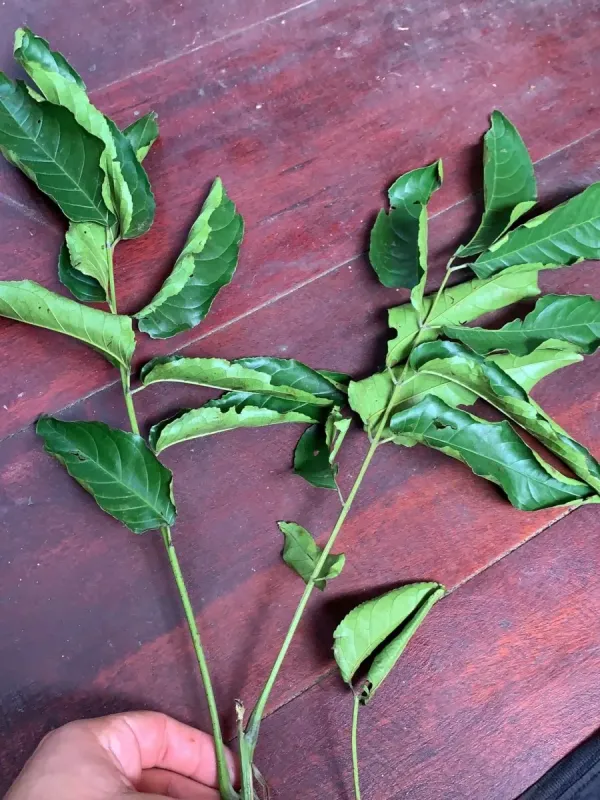
Botanically, Huertea glandulosa is defined by its characteristic glandular leaves, which play a role in its physiological adaptation to dense forest environments. As a forest tree, it typically forms a robust trunk and a structured canopy aimed at optimizing light interception.
Cultivation practices for this species are limited, as it is primarily managed within the context of wild forest harvesting or small-scale silviculture. It demands a specific microclimate that mimics the shaded conditions of its natural habitat to ensure seedling survival.
The wood of this tree is valued in local economies for its structural integrity and durability. It serves various agricultural and construction purposes, reflecting the traditional reliance of local communities on forest resources for tool-making and building materials.
Main diseases and pests
Fungal leaf diseases are the primary threats to the foliage of Huertea glandulosa. These pathogens flourish in the high-humidity environment of tropical forests, potentially impacting the tree's photosynthetic efficiency and overall growth vigor.
Wood-boring insects represent the most significant pest concern. These organisms compromise the trunk integrity, creating entry points for secondary infections and significantly reducing the technical quality of the timber for end-use purposes.
Environmental degradation, particularly the clearing of mountainous forest areas, poses a direct threat to the natural population of this tree. The loss of its specialized ecological niche severely hinders its natural regeneration process.
Root rot pathogens are a persistent issue in poorly drained sites or regions where water accumulation occurs at the base of the tree. These infections lead to a decline in nutrient uptake and can cause eventual tree mortality if not addressed.
Effective management against threats requires careful site selection and the maintenance of forest biodiversity. By protecting the surrounding ecosystem, the risk of pathogen outbreaks is naturally minimized through the presence of competing beneficial organisms.