
Hookeria prabaktiana
Hookeria prabaktiana
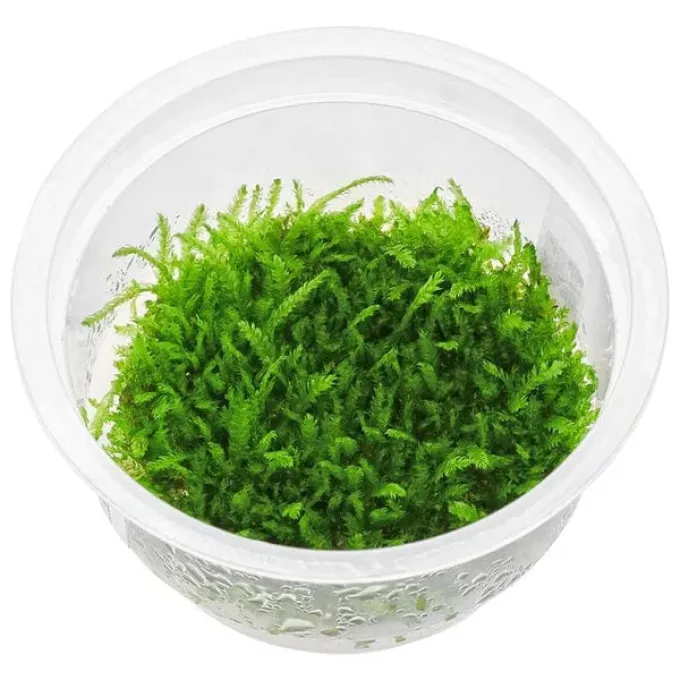
Description
Growing requirements
Hookeria prabaktiana is a species of moss belonging to the Hookeriaceae family. While not a conventional agricultural crop, it remains a subject of significant interest in botanical studies, particularly regarding the preservation of biodiversity in tropical regions where it serves as a critical indicator of habitat health.
The primary requirement for the survival of this species is an environment characterized by extreme and consistent humidity. In its natural range, the plant thrives in areas where rainfall is abundant throughout the year, ensuring that the tissues remain fully hydrated at all times.
Botanically, the plant displays a complex gametophyte structure. Its leaves are highly specialized for absorbing moisture directly from the atmosphere, which highlights its role as an epiphyte or a ground-dwelling plant in dense, shade-heavy tropical forest environments.
To cultivate or maintain this species, one must replicate the specific microclimates of its origin. This includes maintaining a strictly controlled temperature range and avoiding any exposure to direct sunlight, which would cause rapid desiccation and severe physiological stress to the plant cells.
The substrate selection is a critical factor, as Hookeria prabaktiana is highly sensitive to the presence of heavy metals and mineral salts. An ideal growing medium consists of acidic, organic-rich debris that mimics the natural forest floor and supports a delicate, stable equilibrium.