
Honorius nutans
Honorius nutans
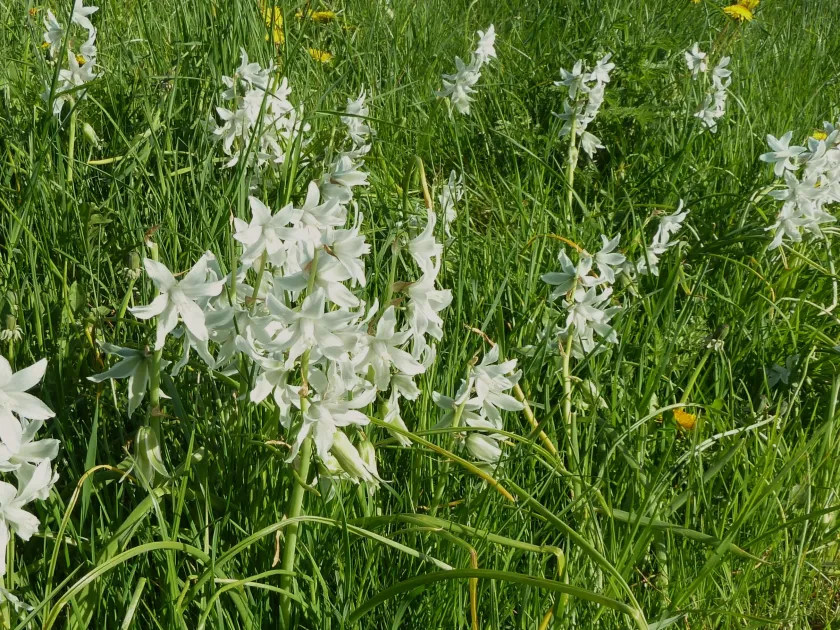
Description
Sowing dates
The sowing period for this crop is primarily determined by the soil temperature, which should reach at least 15 degrees Celsius for consistent germination. Sowing during the spring window ensures plants establish before peak summer heat.
Precision seeding is recommended to maintain an optimal plant density. Placing seeds 2 to 3 centimeters deep balances the need for protection from birds and the accessibility of soil moisture.
In regions with shorter growing seasons, starting seedlings in protected greenhouses is a viable strategy. Transplanting should occur once the risk of ground frost has fully passed.
Spacing guidelines emphasize the importance of air circulation. Maintaining a minimum distance of 50 centimeters between rows prevents the microclimate from becoming overly humid, which discourages pathogens.
High-quality, certified seeds should always be prioritized to ensure yield uniformity. Treating seeds with specialized coatings can provide early protection against soil-borne pathogens.
Growing requirements
This crop thrives in well-aerated, fertile loam soils. Soil compaction is detrimental, as it restricts root expansion and hinders the uptake of water and essential mineral elements.
Abundant sunlight is a prerequisite for high biomass production. Exposure to full sun for at least 7 hours a day optimizes the plant's metabolic rates and overall structural integrity.
Water management involves keeping the soil moist but not waterlogged. Drip irrigation is often the most efficient method, as it delivers water directly to the root zone without wetting the foliage.
Nutrient requirements should be met through a balanced NPK ratio. Micronutrients, especially magnesium and iron, are necessary for maintaining deep green leaf color and efficient photosynthetic output.
The crop prefers a stable climate without extreme fluctuations. Protective windbreaks can be beneficial in open fields where high winds might cause lodging or physical damage to mature plants.
Main diseases and pests
Fungal diseases like leaf spot and blight pose the greatest threat to healthy development. These issues are exacerbated by excessive humidity and poor field hygiene during the peak growing season.
Pest pressures often include spider mites and aphids, which target the underside of the leaves. Early detection is crucial to prevent these populations from reaching economically damaging levels.
Integrated pest management (IPM) strategies, such as crop rotation, are essential for breaking the lifecycle of recurring pests. Moving the crop to a different field site every year is highly recommended.
Biological controls, such as introducing predatory mites or beneficial insects, can effectively manage pest populations while preserving the overall ecological balance of the farm.
Chemical intervention should be considered a last resort. If necessary, selective pesticides should be applied according to precise safety intervals to ensure the safety of the harvest.