
Hololeion krameri
Hololeion krameri
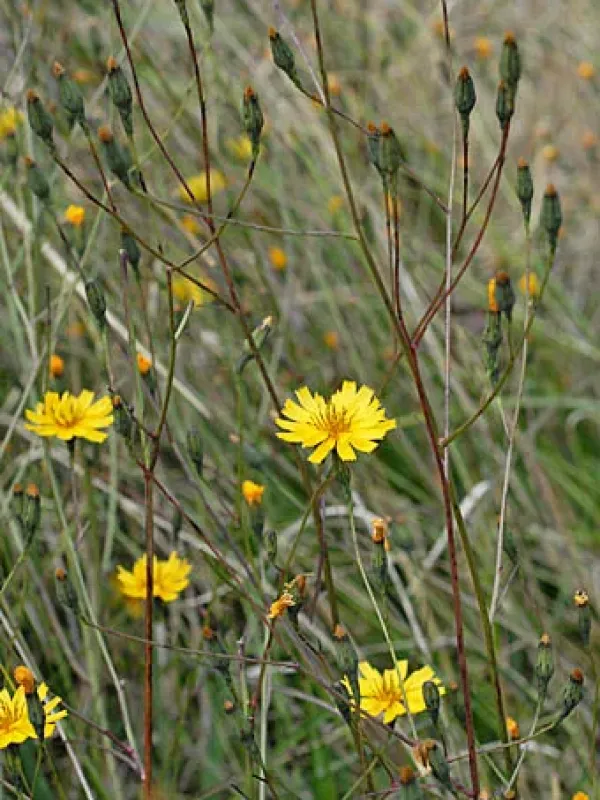
Description
Sowing dates
Hololeion krameri is a perennial herbaceous plant belonging to the Asteraceae family. In agricultural practices, it is typically propagated through seed cultivation.
Seed germination in this species is enhanced by cold stratification, which is why sowing is often carried out in late autumn or early spring to mimic natural environmental triggers.
Nursery propagation is a preferred method for commercial cultivation, involving sowing in starter trays under controlled temperature and humidity conditions to ensure high seedling vigor.
Once seedlings have reached the 3-leaf stage, they are ready for hardening off before being transplanted into open field soil, usually after the last frost date.
Proper spacing between plants is essential to facilitate air circulation, which helps in preventing moisture accumulation and promotes uniform crop growth.
Growing requirements
This crop thrives in sunny locations with well-drained, nutrient-rich soil, showing a clear preference for loamy or slightly sandy compositions.
Soil pH levels should be maintained in the neutral range to ensure optimal nutrient uptake, as extreme values can lead to chlorosis and stunted development.
Consistent soil moisture is critical, especially during the peak growing season, although the plant is sensitive to waterlogging, necessitating excellent site drainage.
Fertilization regimes should focus on balanced NPK applications, supplemented with micronutrients to support healthy foliage and robust flower head development.
The plant demonstrates good adaptability to moderate climate variations but performs best in regions with distinct seasonal changes and consistent light levels.
Main diseases and pests
The primary threats to Hololeion krameri include fungal pathogens such as root rot and powdery mildew, which thrive in high-humidity and low-airflow environments.
Insect pests, including aphids and spider mites, are frequent visitors that can significantly damage leaf surfaces if not controlled through early monitoring.
Slugs and snails can also pose a significant challenge during the juvenile stages, often necessitating protective barriers or targeted biological control measures.
Weed competition is particularly fierce during the early establishment phase, requiring mechanical weeding or the use of mulching to protect the crop.
An integrated pest management approach, emphasizing monitoring and preventive care, is the most sustainable way to keep these plants healthy throughout the season.
Harvesting
Harvesting strategies for Hololeion krameri depend on the specific intended use, whether for extraction of plant components or for the production of high-quality seeds.
For vegetative use, harvesting is conducted during the early to peak flowering stage, when the plant contains the highest concentration of phytochemicals.
Post-harvest processing involves rapid drying in a well-ventilated, shaded environment to prevent degradation of plant tissues and maintain market quality.
When collecting seeds, it is crucial to monitor the maturity of the flower heads, as seeds can disperse quickly once the pappus is fully developed.
Proper storage in moisture-proof containers is essential to maintain seed viability until the next sowing season, ensuring protection against environmental fluctuations.