
Holboellia brachyandra
Holboellia brachyandra H. N. Qin
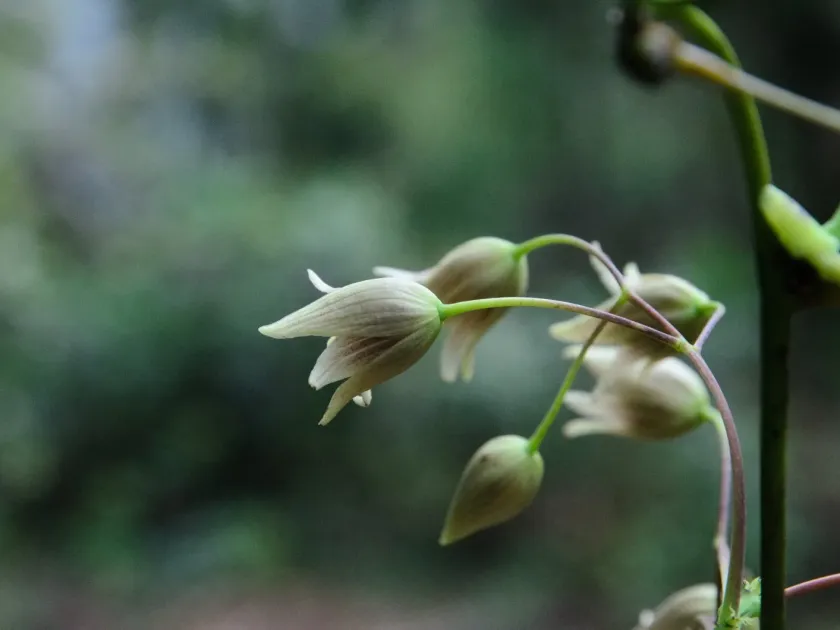
Description
Sowing dates
Holboellia brachyandra belongs to the Lardizabalaceae family and is an evergreen woody vine. In cultivation, propagation is primarily conducted via seeds that require cold stratification to break dormancy.
The sowing process begins in early spring within a controlled environment. Seeds should be placed in a light, sterile soil mix with consistent moisture to ensure successful germination.
Vegetative propagation via cuttings is a common practice for maintaining genetic consistency. Semi-hardwood cuttings taken during the mid-summer months respond well to rooting hormones.
Transplanting into the permanent location should only occur after the risk of frost has passed. Providing sturdy trellises or supports is essential during the initial growth phase.
Proper spacing is crucial to ensure adequate airflow and light penetration. It is recommended to leave at least 2-3 meters between plants to prevent overcrowding as the vine matures.
Growing requirements
This species thrives in sheltered locations protected from harsh, drying winds. While it enjoys warmth, it is sensitive to intense, direct afternoon sunlight, preferring partial shade.
The soil must be fertile, rich in organic matter, and well-draining. Holboellia brachyandra cannot tolerate waterlogged conditions, which can lead to rapid root decay.
The plant requires moderate, consistent irrigation throughout the growing season. Applying organic mulch around the base helps retain soil moisture and prevents temperature fluctuations.
Humidity is vital for the health of this vine. If grown in a greenhouse or dry climate, misting the foliage periodically will promote lush growth and prevent leaf desiccation.
Regular fertilization with a balanced NPK fertilizer during the active growth phase is recommended. This supports the development of vigorous stems and aids in overall plant resilience.
Main diseases and pests
Common pests include spider mites and scale insects, which are often problematic in low-humidity environments. Integrated pest management strategies should be applied at the first sign of infestation.
Fungal issues, such as leaf spot or grey mold, may develop if ventilation is poor. Ensuring that the foliage dries quickly after rain or irrigation is a key preventative measure.
Root rot is the most significant threat, typically caused by overwatering or compacted, poorly aerated soil. Monitoring soil moisture levels is critical for long-term survival.
Nutrient deficiencies may manifest as chlorosis, especially in high-pH soils. Adjusting soil acidity and providing micronutrients like iron can help restore the plant's natural green color.
Vigilance is required when introducing new plant material to avoid bringing in pests from external sources. Keeping the area under the canopy clean of dead leaves helps reduce disease pressure.