
Hoffmannseggia glauca
Hoffmannseggia glauca
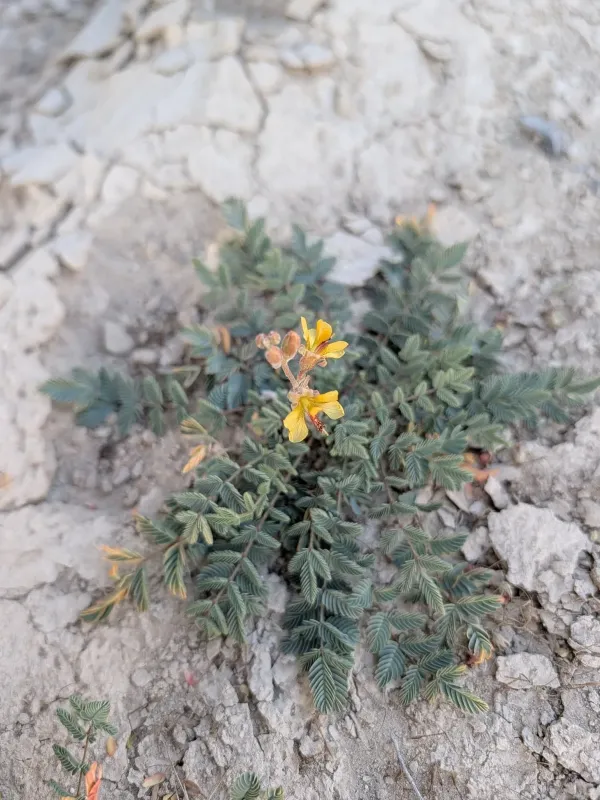
Description
Sowing dates
Hoffmannseggia glauca is a perennial herbaceous plant belonging to the Fabaceae family. It is widely recognized for its extensive underground rhizome system, which is the primary method of natural propagation and survival in arid environments.
When cultivating this species, seed dormancy is a major hurdle due to the hard seed coat. Mechanical or chemical scarification is necessary to ensure uniform germination, which should be conducted just before planting.
Sowing should ideally occur in the spring once the soil temperature is consistently above 15°C. Shallow sowing depths are recommended to allow the seedlings to emerge efficiently without exhausting their initial nutrient reserves.
Spacing between rows should be sufficient to accommodate the expansion of the rhizome system. This prevents overcrowding and allows for easier mechanical control of weeds during the initial stages of crop establishment.
In the first year, farmers should expect slow growth as the plant prioritizes the development of its root network. Once established, the stand becomes highly persistent and capable of long-term biomass production.
Growing requirements
This species thrives in arid and semi-arid conditions, demonstrating exceptional tolerance to heat and moisture stress. It performs best in well-drained, sandy or light-textured soils that allow for deep root penetration.
Full sun exposure is a critical requirement for Hoffmannseggia glauca. The plant does not perform well in shaded areas, and restricted light will significantly reduce its growth vigor and overall health.
The plant is highly resilient to soil salinity, making it an excellent candidate for stabilizing degraded lands and preventing erosion in regions where other crops fail to thrive.
Water requirements for this crop are relatively low once the plants have established a deep root system. It is well-adapted to environments with intermittent or sparse rainfall patterns.
As a legume, it possesses the ability to form a symbiotic relationship with rhizobia bacteria, which facilitates nitrogen fixation. This process reduces the dependence on synthetic nitrogen fertilizers, enhancing its sustainability profile.
Main diseases and pests
The primary threats to Hoffmannseggia glauca include various herbivorous insects and pests such as aphids and weevils, which may target the foliage and reproductive structures of the plant.
Pathogenic threats are usually linked to environmental conditions, particularly high humidity. Root rot diseases can occur if the soil remains waterlogged, which is detrimental to the plant's health.
While the plant is quite competitive once established, young stands must be protected from aggressive weeds. Integrated weed management is recommended during the first growing season to avoid early-stage competition.
Damage from mites can occur during prolonged periods of drought, potentially leading to leaf yellowing and reduced photosynthetic efficiency. Regular monitoring is advised to detect early signs of infestation.
Maintaining proper soil drainage is the most effective cultural practice to prevent the development of most soil-borne fungal pathogens that typically affect leguminous crops in this category.