
Hirpicium bechuanense
Hirpicium bechuanense
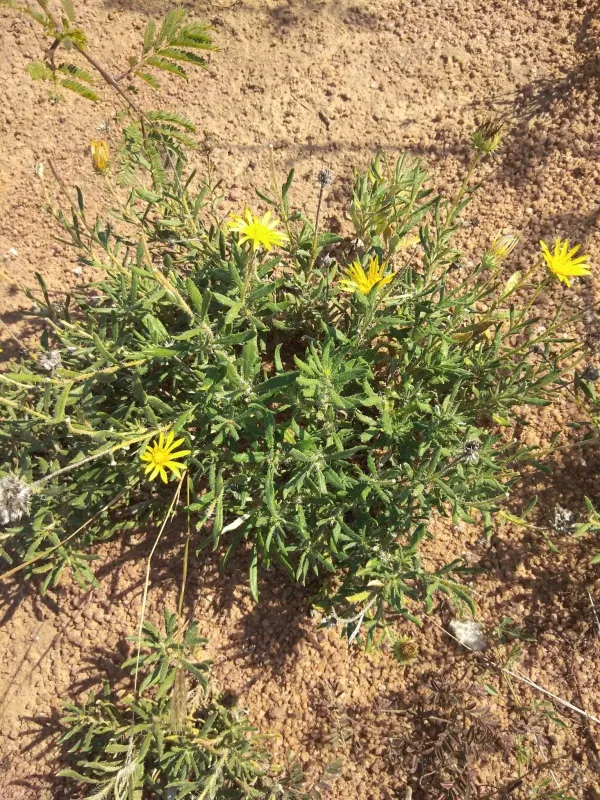
Description
Growing requirements
Hirpicium bechuanense is a perennial herbaceous plant belonging to the Asteraceae family. Native to the arid regions of southern Africa, it has evolved to thrive in environments with significant water scarcity and high solar irradiance.
This species is characterized by its high drought tolerance and morphological adaptations that allow it to survive in nutrient-poor soils. Its root system is developed to penetrate deep soil horizons to access deep-seated moisture during dry seasons.
The agronomic success of this crop relies on soil with excellent drainage properties. Sandy or rocky substrates are preferred, as these prevent water accumulation, which can cause crown rot or other fungal complications in this sensitive genus.
Planting locations must be carefully selected to ensure full exposure to sunlight. Hirpicium bechuanense requires high light intensity for metabolic processes and to prevent etiolation, which significantly weakens the structural integrity of the plant stems.
For cultivation, minimal soil disturbance is recommended to preserve the natural soil structure. While it does not require intensive fertilization, supplemental nutrition may be applied during the early vegetative stage if the soil nutrient profile is exceptionally low.