
Hiptage benghalensis
Hiptage benghalensis
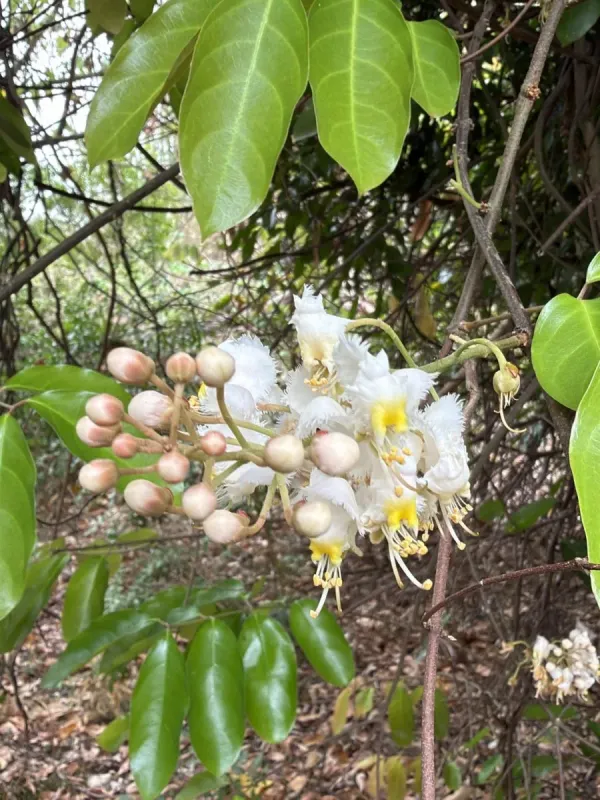
Description
Growing requirements
Hiptage benghalensis, commonly known as Hiptage, is a perennial, woody climbing vine belonging to the Malpighiaceae family. It is highly valued for its fragrant, colorful flowers and its ability to rapidly cover structures in tropical landscapes.
The plant is native to tropical Asia, ranging from India to Southeast Asia. It thrives in humid environments and requires substantial sunlight to bloom effectively, making it a popular choice for botanical gardens in suitable climate zones.
Cultivation requirements include rich, well-draining soil with a pH level ranging from neutral to slightly acidic. Providing a strong trellis or support system is essential, as the stems of the Hiptage can become heavy and woody over time.
Optimal growth occurs at consistent temperatures between 22 and 28 degrees Celsius. The species is highly sensitive to frost, and any exposure to freezing conditions can cause severe damage to the vascular system and foliage.
Regular maintenance involves pruning after the flowering season to manage growth patterns and promote bushier, more compact development. Consistent moisture is necessary, though waterlogging must be strictly avoided to prevent root stress.
Main diseases and pests
While generally robust, Hiptage benghalensis can be susceptible to root rot if the soil structure does not allow for efficient water drainage. Proper site selection and drainage management are the first lines of defense against fungal issues.
Pest pressures often involve infestations of scale insects and mealybugs. These pests typically cluster on the undersides of leaves and along the stems, weakening the vine by extracting essential sap.
Spider mites represent another common threat, especially in indoor or greenhouse settings where air circulation may be stagnant and humidity levels are low. Increasing ambient humidity often serves as a natural deterrent.
Integrated Pest Management (IPM) practices, such as mechanical removal or the application of horticultural oils, are effective for controlling minor outbreaks before they escalate to cover the entire plant structure.
Monitoring the plant for signs of chlorosis or wilting is critical, as these symptoms can indicate either pest stress or nutrient imbalances within the growing medium, requiring prompt corrective action.