
Hippobroma longiflora
Hippobroma longiflora (L.) G. Don
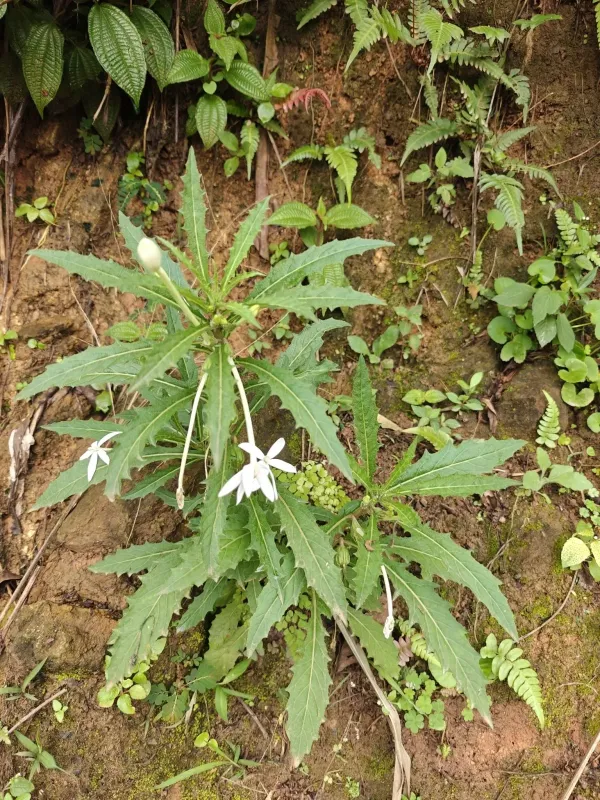
Description
Sowing dates
Hippobroma longiflora is a perennial herb of tropical origin that requires warm, stable conditions for successful propagation. The sowing process typically begins in early spring, once soil temperatures consistently stay above 20 degrees Celsius.
Due to the small size of the seeds, they should be surface-sown on a light, moisture-retentive substrate. Proper light exposure is essential for germination, so seeds should not be buried deep, but rather lightly pressed into the soil surface to ensure contact.
Seedlings are best raised in controlled environments such as greenhouses or propagating chambers to maintain high humidity and temperature levels. Germination usually occurs within two to four weeks depending on the specific environmental conditions maintained by the grower.
Once the seedlings reach a stage with two or three pairs of true leaves, they should be carefully transplanted. Avoiding root disturbance is crucial during this phase to ensure the plants establish themselves quickly in their new growing medium.
In regions with cooler climates, the plant is often treated as an annual or grown exclusively in pots that can be moved indoors during colder months. Precise monitoring of soil moisture during the germination phase is vital to prevent damping-off diseases.
Growing requirements
As a member of the Campanulaceae family, Hippobroma longiflora prefers bright, indirect light. Direct exposure to intense sunlight can lead to leaf scorching, especially during the hottest hours of the day in tropical climates.
The ideal soil for this species is nutrient-rich, well-draining, and slightly acidic. It thrives in loamy soils that hold enough moisture for the roots without becoming waterlogged, as poor drainage is the primary cause of root system failure.
Watering requirements are consistent: the plant needs a regular moisture supply, particularly during the active flowering phase. However, growers must exercise caution, as stagnant water is detrimental and often leads to fungal outbreaks in the root zone.
Temperature management is a key factor in successful cultivation. The plant performs best between 22 and 28 degrees Celsius and should be protected from any frost or significant cold snaps, which cause immediate damage to the plant's delicate vascular tissues.
Fertilization should be balanced throughout the growing season. A nitrogen-rich fertilizer is beneficial for early vegetative growth, while switching to a formula higher in phosphorus and potassium promotes the longevity and abundance of its characteristic long flowers.
Main diseases and pests
Pest management is an essential part of the agricultural cycle for Hippobroma longiflora. Aphids and spider mites are common adversaries, particularly in indoor or greenhouse settings where the lack of natural predators allows these populations to thrive.
Fungal pathogens such as mildew and various root rot organisms are the primary diseases encountered. These are typically managed through proper ventilation, adequate plant spacing, and strict adherence to irrigation schedules to avoid high-humidity traps.
The plant is highly toxic due to the presence of alkaloids like lobeline. While this chemical defense system deters many herbivores, it poses a significant risk to human handlers, necessitating the use of gloves and protective gear during any pruning or weeding.
Soil-borne pathogens represent a hidden threat. Using sterilized potting media and avoiding cross-contamination from garden soil is a standard protocol to ensure that the plants remain healthy throughout their lifespan in a controlled agricultural setup.
In case of infestation, growers should prioritize mechanical removal or biological control methods over harsh chemical pesticides. This precaution helps maintain the integrity of the plant's metabolism and prevents chemical residues from entering the surrounding soil.