
Hibiscus rhabdotospermus
Hibiscus rhabdotospermus
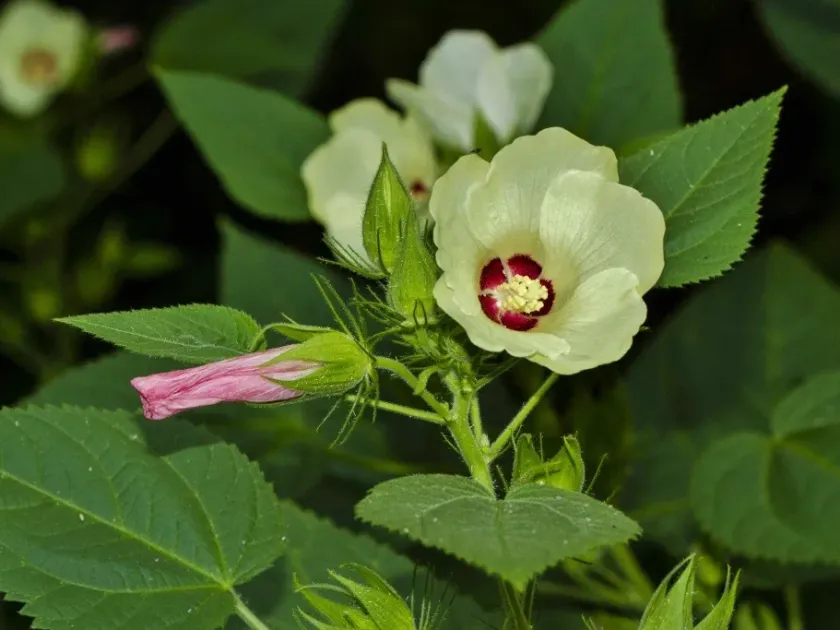
Description
Growing requirements
Hibiscus rhabdotospermus is a distinguished member of the Malvaceae family, native to the Cape Verde Islands. It represents a niche botanical subject known for its specific adaptation to arid and semi-arid tropical environments.
The plant thrives under conditions of high solar irradiance, necessitating a location that provides consistent exposure to sunlight. Its metabolic processes are heavily dependent on tropical heat levels to sustain its characteristic growth patterns.
Soil requirements for this species focus on permeability and aeration. Sandy or gravelly loams with a neutral pH are ideal, as they effectively prevent the roots from becoming waterlogged, which is a major physiological hazard for this species.
Agrotechnical practices involve a strict adherence to irrigation cycles. During the active growing phase, regular but controlled water application is necessary, while the dormant period requires a significant reduction in hydration to mimic its natural cycles.
Due to its endemic nature, the economic and practical use is primarily focused on conservation biology and botanical research within protected greenhouse environments or specialized gardens.
Main diseases and pests
Common pests associated with this species include various mites and aphids that thrive in warm, sheltered environments. Their infestation can rapidly degrade the leaf health of the plant if left unchecked.
Fungal pathogens represent a major threat, particularly during periods of high humidity or insufficient air circulation around the canopy. Powdery mildew can lead to significant foliage loss if not managed early.
Proactive management techniques include frequent pruning to improve airflow and the removal of any senescing material that could serve as a host for potential pathogens or pest eggs.
The use of integrated pest management strategies, focusing on biological controls where possible, is highly recommended to maintain the long-term health of these sensitive plants.
Constant monitoring for early warning signs, such as leaf discoloration or abnormal stunted growth, is essential for successful cultivation and preservation of this rare Malvaceae variety.