
Hibiscus articulatus
Hibiscus articulatus
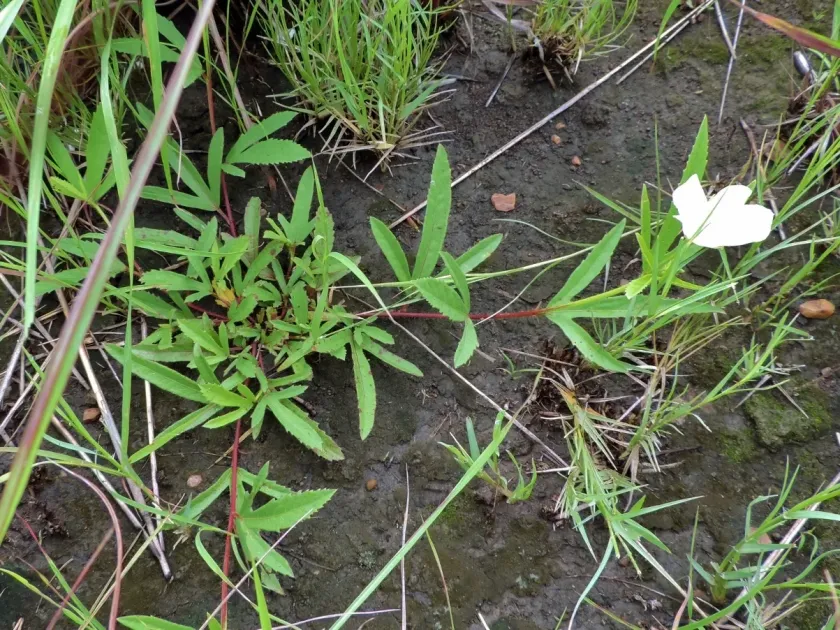
Description
Sowing dates
Sowing Hibiscus articulatus seeds typically occurs in early spring, once the soil temperature consistently reaches at least 15 to 18 degrees Celsius.
Seeds benefit significantly from pre-soaking in warm water or growth stimulants to soften the seed coat and ensure more uniform germination rates.
In colder regions, greenhouse propagation is recommended, where climate control allows for the establishment of vigorous seedlings before outdoor transfer.
The planting depth should be shallow, generally between one and two centimeters, to ensure that the delicate sprouts can reach sunlight quickly.
Thinning out seedlings is essential to provide each plant with enough room for proper leaf expansion and robust root development in the initial stages.
Growing requirements
As a member of the Malvaceae family, this species thrives in full sun, requiring exposure to direct light for maximum photosynthetic activity and flowering.
The plant demands well-draining soil that is rich in organic matter to support its rapid growth cycles and high moisture requirements during summer.
Temperature management is critical; the plant performs best in warm environments with ambient temperatures between 20 and 28 degrees Celsius.
Consistent irrigation is vital, although gardeners must avoid waterlogged conditions, which lead to root rot and other physiological disorders.
Regular fertilization with a balanced mix of nitrogen, phosphorus, and potassium encourages the development of healthy foliage and flower buds.
Main diseases and pests
Spider mites are a major threat, particularly in hot and dry climates, as they thrive on the undersides of the leaves and extract vital plant sap.
Aphids can frequently infest the tender new growth of Hibiscus articulatus, potentially causing stunted development and the transmission of viral pathogens.
Fungal diseases like powdery mildew are common when humidity levels are high and air circulation around the plants is poor, requiring immediate attention.
Root rot, often caused by overwatering or poor soil drainage, can permanently damage the plant, necessitating strict irrigation control and hygiene.
Integrated pest management, including the use of neem oil and proper spacing, is the most effective way to maintain a healthy and productive crop.