
Hewittia sublobata
Hewittia sublobata
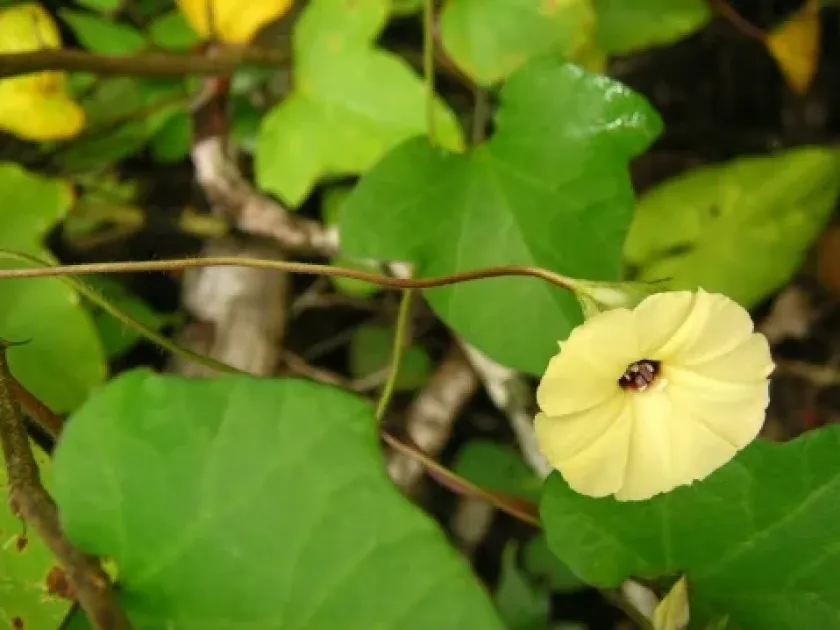
Description
Sowing dates
Hewittia sublobata is a tropical species, and its sowing timing is strictly dictated by the onset of the rainy season to ensure optimal germination success.
Seeds should be sown into prepared, well-draining substrates where temperatures remain consistently above 20 degrees Celsius throughout the early stages.
Due to the small size of the seeds, they are planted at a shallow depth of 2 to 3 centimeters to facilitate quick emergence and establishment.
Proper spacing between rows is essential to manage the creeping habit of the plant and to allow sufficient light penetration into the canopy.
In managed agricultural settings, practitioners ensure that soil moisture is kept constant immediately following planting to prevent the seeds from drying out.
Growing requirements
As a member of the Convolvulaceae family, this crop thrives in open, sunny locations where it can maximize its rate of vegetative growth.
The plant performs best in loose, fertile loam soils with a neutral or slightly acidic pH, provided that the drainage is efficient enough to avoid waterlogging.
High relative humidity is necessary for its development, and consistent moisture is required as the plant is susceptible to stress during dry periods.
Temperatures should be maintained in the range of 22 to 30 degrees Celsius to support efficient metabolic activity and biomass accumulation.
- Full sun exposure for optimal growth
- Well-aerated soil structure
- Consistent irrigation schedules
- Support structures for climbing vines
Yield
The yield of green biomass depends heavily on the level of inputs, such as organic fertilizers, and the specific agro-climatic conditions of the region.
Under optimal conditions, the plant can produce several harvests of leafy material per growing season, making it a viable component of agricultural systems.
Biomass production is significantly enhanced by nitrogen-based supplements which promote the rapid development of stems and foliage.
Seed yield is intrinsically linked to pollinator activity, requiring healthy insect populations to ensure effective fertilization of the blooms.
Overall, the productivity metrics for this crop are robust, reflecting its adaptive nature within tropical ecosystems.
Main diseases and pests
Fungal root diseases represent the primary threat to this crop, particularly in poorly drained soils where stagnant water promotes pathogen growth.
Pests such as spider mites can cause significant damage in lower humidity environments, affecting both the aesthetic and nutritional value of the leaves.
Nematode infestations are a documented concern, necessitating strict adherence to crop rotation practices to mitigate long-term soil health issues.
Weed competition is particularly detrimental during the plant's juvenile phase, making early-stage manual or mechanical intervention necessary.
Integrated pest management, including the use of bio-fungicides, is recommended to protect the crop during peak rainfall months.
Harvesting
Harvesting of green mass should take place during the peak flowering stage when the nutrient density of the foliage is at its highest level.
Seed harvesting requires careful timing, targeting the period after the capsules have dried on the vines to minimize losses through dehiscence.
Mechanical harvesting requires specialized equipment capable of handling the tangled, vine-like structure of the plant canopy effectively.
Immediate post-harvest drying is essential to prevent mold growth and to maintain the quality of the raw botanical materials.
Seed cleaning processes involve thorough winnowing and screening to ensure that the final product is free from debris and impurities.