
Heterospathe elata
Heterospathe elata
Description
Growing requirements
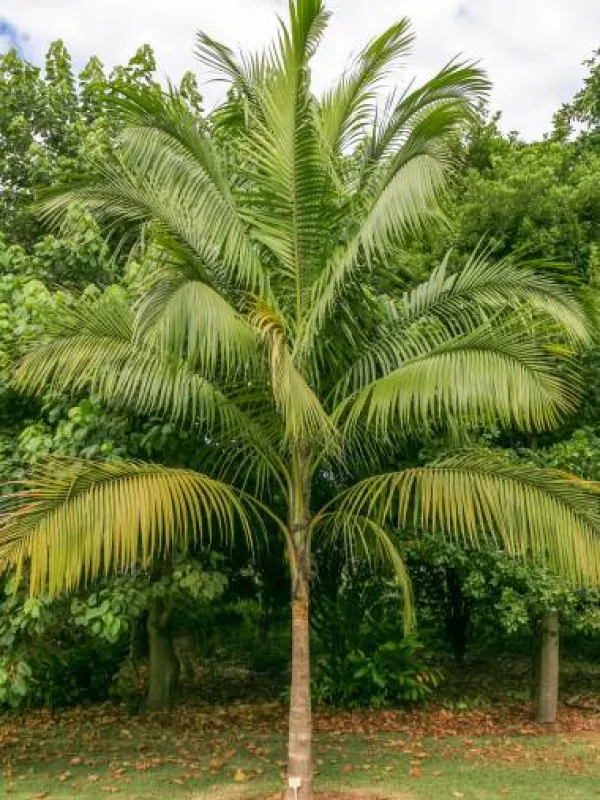
Heterospathe elata is a magnificent palm species belonging to the Arecaceae family. It is recognized for its tall, single-trunk structure and elegant, feather-like foliage that provides a distinct tropical aesthetic in its native environments.
The species originates from the tropical rainforests of the Philippines and Southeast Asia. It thrives in humid tropical climates where temperatures remain consistently warm throughout the year, without significant drops that could damage sensitive tissue.
For successful cultivation, the plant requires fertile, well-draining soil rich in organic matter. Waterlogged conditions must be avoided at all costs, as the palm is susceptible to root decay if the drainage system is inadequate.
Agronomic management involves maintaining high moisture levels and protecting the tree from high-speed winds. Regular application of organic fertilizers supports vigorous growth and enhances the lush appearance of the palm's large leaves.
Its primary use is in ornamental landscaping, where it is utilized for its fast growth rate and imposing stature. It is highly valued in parks, resort developments, and luxury botanical gardens as a focal point in tropical landscape architecture.
Main diseases and pests
Fungal diseases related to excessive humidity represent the most significant threat to this palm. Proper spacing and airflow around the trunk are essential to prevent the accumulation of moisture, which encourages pathogen colonization.
Pests such as spider mites, mealybugs, and scale insects frequently attack the leaves and stems. Regular scouting and preventative treatments with suitable pesticides are recommended to maintain the plant's structural and visual integrity.