
Hermannia betonicifolia
Hermannia betonicifolia
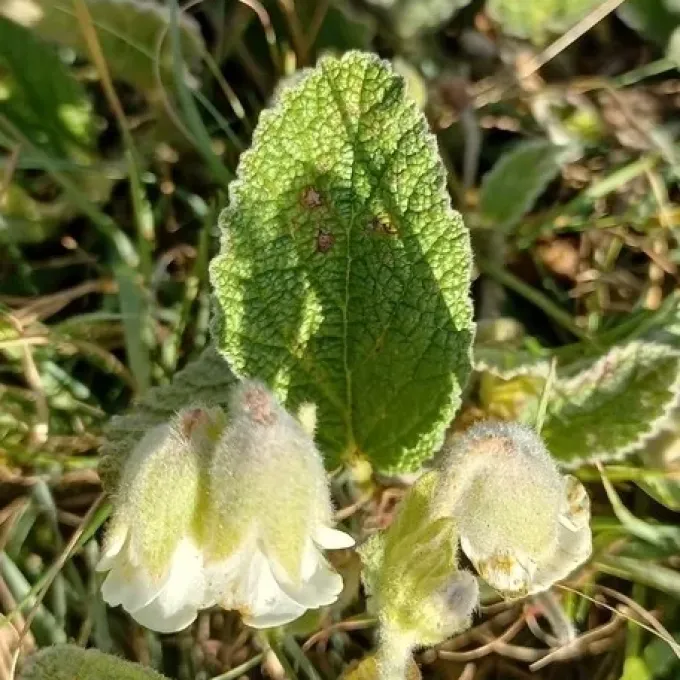
Description
Growing requirements
Hermannia betonicifolia is a distinct perennial species belonging to the Malvaceae family, native to the arid and semi-arid regions of Southern Africa. It is known for its resilience and ability to thrive in challenging environments where water availability is highly inconsistent.
The plant requires well-draining, sandy, or rocky soil to survive. In agricultural and horticultural settings, it is essential to ensure that the medium does not retain excessive moisture, as this plant is highly prone to root-related issues if the soil remains waterlogged for extended periods.
Exposure to full sunlight is a fundamental requirement for the healthy growth of this species. It is specifically adapted to high-light conditions, which trigger its natural flowering process and maintain its compact, sturdy growth habit throughout the season.
In terms of management, Hermannia betonicifolia requires minimal irrigation, mimicking the erratic rainfall patterns of its natural habitat. Regular pruning can help maintain the shape of the plant, though it is not strictly necessary for survival.
The main horticultural application of this species is in landscape gardening, particularly in xeriscaping or rock garden projects. Due to its drought tolerance, it serves as a sustainable option for regions facing water shortages and increasing temperatures.
Main diseases and pests
Root rot caused by Oomycetes or various soil-borne fungi is the most significant threat to this species. Over-irrigation is the primary catalyst for these diseases, making drainage control the most critical aspect of the plant's long-term survival.
Pests such as spider mites and aphids are common concerns during dry spells. These pests colonize the plant tissues, leading to chlorosis and general weakening, which often necessitates integrated pest management strategies if left unchecked.
Powdery mildew can emerge in environments with poor airflow or high humidity, negatively impacting both the aesthetic value and the physiological performance of the plant. Ensuring adequate plant spacing is a primary preventive measure.
Slugs and snails may occasionally target tender new shoots if the plant is grown in proximity to denser vegetation or in more humid zones. Standard monitoring and protective barriers are generally sufficient to manage such threats in a landscape setting.
Imbalanced soil chemistry can lead to nutrient deficiencies, manifesting as leaf yellowing or stunted development. Regular soil analysis is recommended to maintain the optimal pH level, which generally favors neutral to slightly alkaline conditions.