
Heritiera sumatrana
Heritiera sumatrana
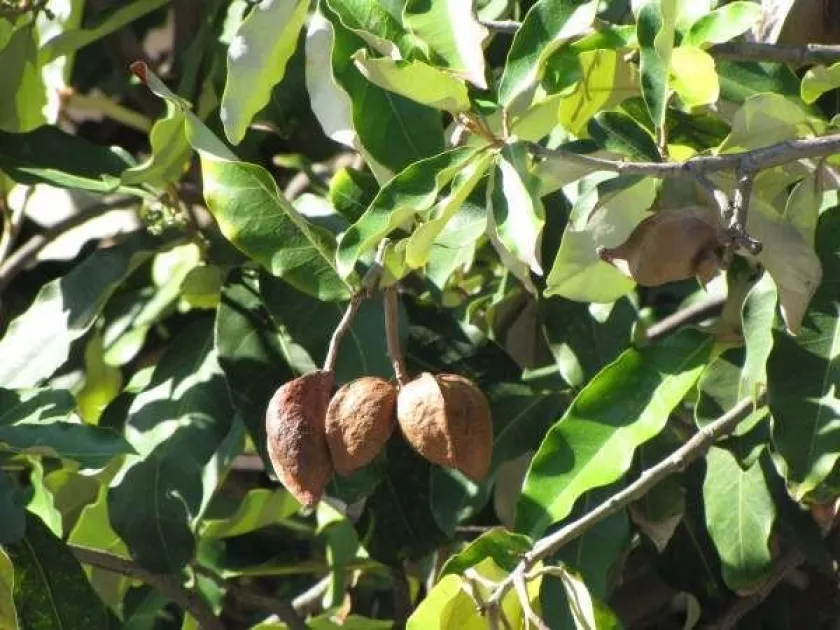
Description
Growing requirements
Heritiera sumatrana is a significant tropical tree species belonging to the Malvaceae family, specifically the Sterculioideae subfamily. It is native to the lush, wet tropical rainforests of Southeast Asia, primarily found in Indonesia and surrounding regions.
The cultivation of this species requires a strictly tropical climate characterized by consistently high temperatures throughout the year and significant rainfall without any distinct dry season.
Optimal soil conditions include deep, nutrient-rich, and well-draining substrates. Since the species is sensitive to waterlogging, site selection must prioritize areas with natural drainage to ensure healthy root development.
In its native habitat, it grows into a large canopy tree. While it thrives in full sun, seedlings often benefit from light shade provided by the parent canopy, which helps maintain soil moisture during their establishment phase.
Current agricultural and forestry practices focus on sustainable management and reforestation efforts. The complexity of seed propagation and slow growth rates necessitate careful long-term planning for successful plantation management.
Yield
The primary economic output of Heritiera sumatrana is its high-quality, dense timber. The wood is prized for its structural integrity, durability, and resistance to environmental degradation, making it suitable for furniture and heavy construction.
Beyond timber production, the tree serves a vital ecological function by stabilizing tropical soils and providing structural complexity to the rainforest canopy, supporting local biodiversity.
The yield of high-grade logs is determined by tree age and stand density. Successful management aims to produce straight, branch-free boles to maximize the economic value of the harvest.
The timber is utilized locally for traditional building purposes, where its inherent strength against moisture-related decay proves highly advantageous in humid tropical climates.
Sustainable harvesting protocols are essential, given that the species is not a fast-growing commercial crop and requires decades to reach maturity for high-quality wood production.
Main diseases and pests
The main threat to the survival of Heritiera sumatrana is the loss of primary forest habitat due to large-scale agricultural conversion, particularly for palm oil plantations.
Biological threats include various fungal pathogens that flourish in high-humidity environments, potentially leading to leaf blight and stem decay in younger, more vulnerable trees.
Pest infestations, particularly wood-boring insects, represent a significant risk to tree health, especially when trees are weakened by environmental stress or poor stand management.
Climate change, manifesting as erratic precipitation patterns, creates periods of drought-like stress that increase the susceptibility of these trees to opportunistic pathogens and pests.
Fragmentation of the forest leads to isolated subpopulations, which reduces the efficacy of natural pollination and limits genetic diversity, posing a risk to the long-term viability of the species.