
Hemiorchis pantlingii
Hemiorchis pantlingii
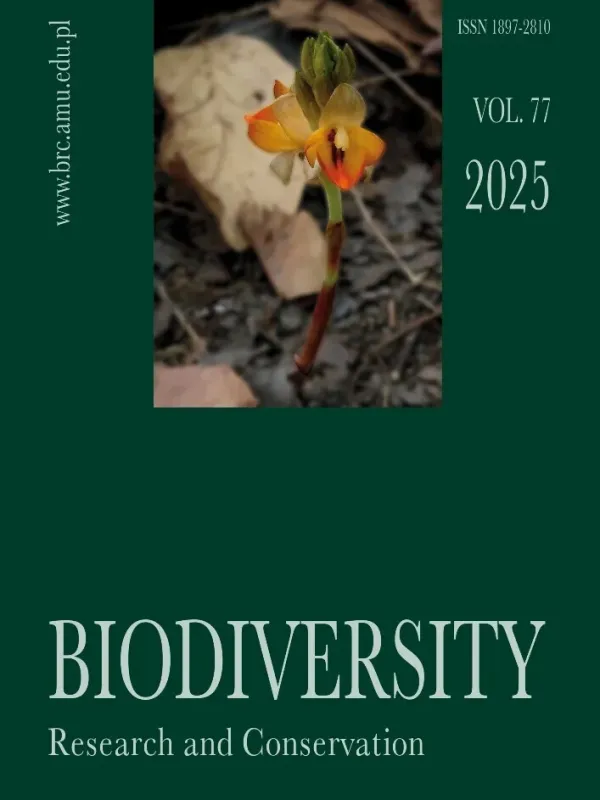
Description
Growing requirements
Hemiorchis pantlingii is a perennial herbaceous plant belonging to the Zingiberaceae family. This species is native to the Himalayan foothills, specifically found in parts of Northeastern India, where it thrives in specialized microclimates.
The plant is naturally adapted to moist, shaded forest floors. It requires a stable environment rich in organic matter, making it a demanding species that is rarely encountered outside of specialized collections or its native habitat.
To cultivate this species successfully, it is essential to maintain high humidity levels and avoid direct sunlight. The plant performs best in locations that mimic the filtered light of a deep forest canopy, protecting the foliage from scorching.
Soil requirements focus on high organic content and excellent drainage. The root system is sensitive to waterlogging, so the substrate should be light, airy, and slightly acidic, ensuring that roots receive adequate oxygen.
Temperature management is vital, as the plant prefers moderate warmth typical of its home range. It does not tolerate extreme cold or excessive heat, requiring careful attention to climate control throughout the year.
Main diseases and pests
The primary threats to Hemiorchis pantlingii include fungal pathogens that develop due to poor soil management. Overwatering and stagnant air are the most frequent causes of root and stem rot in this genus.
Spider mites represent a significant threat in indoor environments, especially when air humidity drops. These pests feed on the leaves, leading to chlorosis and potential plant decline if not controlled promptly.
Scale insects can also pose a problem, attaching themselves to the stems and leaves to sap nutrients. Regular inspections are necessary to identify these pests before they establish a large colony.
Leaf spot diseases may occur if moisture persists on the foliage for too long without proper airflow. Ensuring good air circulation is a key preventive measure against various foliar pathogens that affect ginger family members.
Due to its rarity and specific ecological requirements, the plant is susceptible to stress from environmental shifts. Maintaining consistent conditions is the best defense against both physiological disorders and pest outbreaks.