
Hellenia speciosa
Hellenia speciosa
Description
Growing requirements
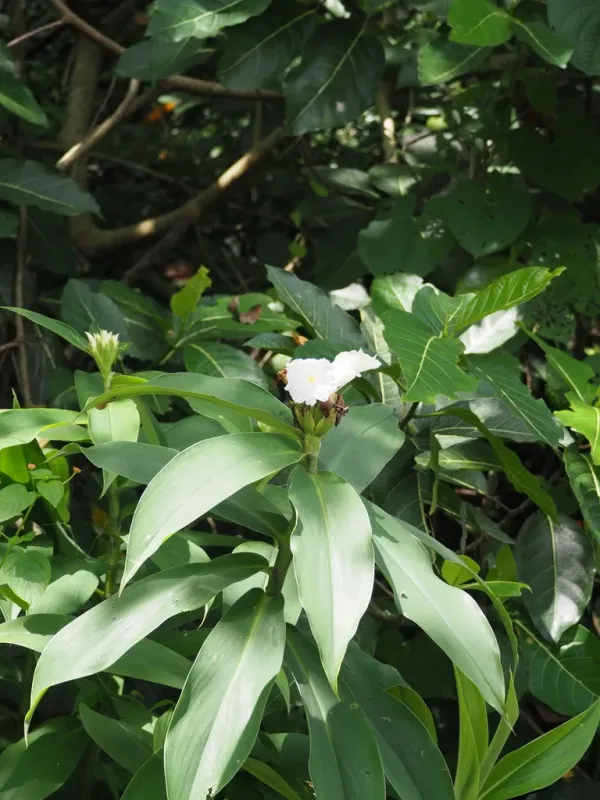
Hellenia speciosa, previously known as Costus speciosus, is a perennial herbaceous plant belonging to the Zingiberaceae family. It is characterized by its large, spirally arranged leaves and striking inflorescences that emerge from the rhizomes.
Native to the humid tropical regions of Southeast Asia, this crop requires a warm climate with temperatures consistently above 20 degrees Celsius. It is highly sensitive to frost, which makes its commercial cultivation restricted to tropical and subtropical zones or protected greenhouse environments.
The soil requirements focus on high organic matter content, fertility, and excellent drainage. Hellenia speciosa thrives in well-aerated sandy loam soils, as waterlogging can cause significant damage to the plant's massive rhizomatous system.
In terms of light, the plant prefers semi-shaded locations. Direct, intense sunlight can scorch the leaves, while deep shade significantly reduces the development of the rhizomes, which are the primary part of the plant used for industrial extraction.
The economic value of this culture lies in its chemical composition. It is a major natural source of diosgenin, a precursor for the production of steroidal drugs, positioning it as a significant plant for the global pharmaceutical industry.
Main diseases and pests
The primary threats to Hellenia speciosa are fungal pathogens, specifically those causing root rot and damping-off. These diseases are most common in poorly drained fields where moisture levels remain excessively high for extended periods.
Leaf blight and spotting, often triggered by prolonged humidity and poor ventilation, can significantly reduce the photosynthetic area of the plant. Maintaining adequate spacing between rows is essential to ensure air circulation and reduce disease pressure.
Pests such as spider mites and scale insects represent significant challenges in both open-field and greenhouse production. These insects thrive in dry or confined conditions and can severely stunt the growth of young plants.
Root-knot nematodes are another major concern, as they disrupt nutrient uptake by attacking the roots. Soil solarization or the use of nematocides is often required in regions with high nematode populations to protect the harvest.
Effective crop management involves strict monitoring of soil health and plant vitality. Implementing a comprehensive disease and pest management program is vital for achieving high yields of the high-quality rhizomes required for industrial processing.