
Helleborus torquatus
Helleborus torquatus
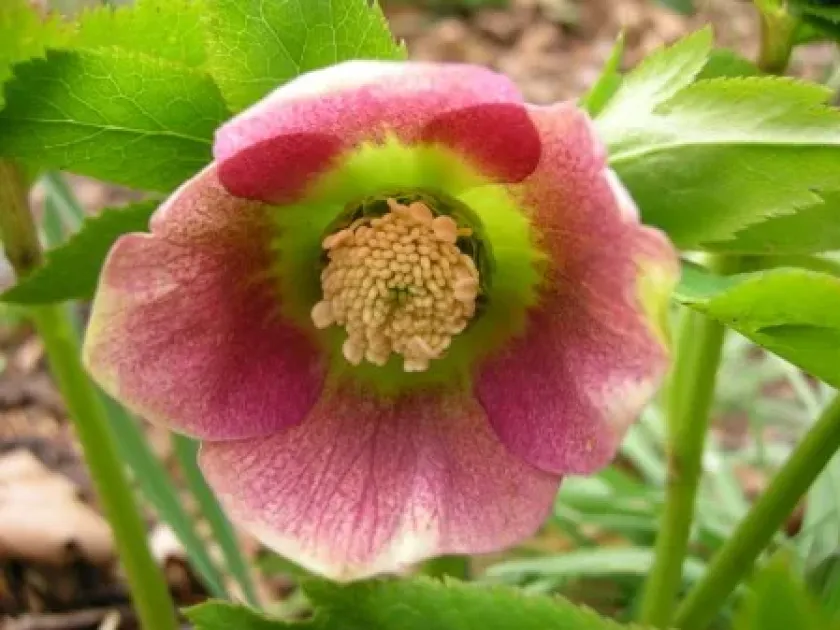
Description
Sowing dates
Propagation of Helleborus torquatus by seed is a slow process that requires a period of cold stratification to overcome natural seed dormancy. Seeds should ideally be sown in the autumn, allowing them to experience winter temperatures that trigger the germination process in spring.
When starting indoors, seeds should be sown in moist compost and kept at room temperature for a short time before being moved to a cold environment, such as a refrigerator or an unheated greenhouse. Patience is necessary as seeds may not germinate for over a year.
Vegetative propagation via division of mature clumps is the most common and reliable method. This should be performed either immediately after the flowering period ends or in the early autumn when the plant enters a state of dormancy.
When dividing, ensure each segment has a healthy section of the rhizome and sufficient root mass to support new growth. Using a sharp, sterilized tool reduces the risk of infection and minimizes stress on the parent plant during the process.
Newly divided plants should be planted in enriched soil and kept well-watered until they are established. It is important to space them adequately to ensure that each plant has enough room for air circulation, preventing the buildup of humidity.
Growing requirements
Helleborus torquatus belongs to the Ranunculaceae family and is a robust herbaceous perennial. Native to the mountainous woodland regions of the Balkans, it has adapted to thrive in sheltered, cool, and relatively humid environments.
The plant thrives in fertile, well-draining soil that is rich in organic matter. While it prefers neutral to slightly alkaline pH, it can tolerate a variety of soil types provided there is no risk of waterlogging, which often leads to root rot.
Optimal light exposure for this species is partial shade. In its natural habitat, it grows under a canopy of trees, so in the garden, it should be placed in areas that receive filtered sunlight rather than intense afternoon rays, which can scorch the foliage.
Watering requirements are moderate; the soil should remain consistently moist throughout the growing season but never soggy. During dry summer spells, additional mulching can help maintain soil moisture levels and keep the root system cool.
As a mountain-origin plant, it is very hardy, but in areas with harsh, dry winters without snow cover, a protective layer of leaf mold or compost is recommended. This acts as an insulator, protecting the crown from freezing and thawing cycles.
Main diseases and pests
The primary fungal disease affecting this species is Coniothyrium hellebori, commonly known as hellebore leaf spot. It manifests as dark, necrotic spots on leaves and stems and can quickly spread if the environment is too humid or poorly ventilated.
Sanitation is key to managing leaf spot; gardeners should promptly remove and dispose of any infected leaves. Chemical treatments such as copper-based fungicides can be applied preventatively if conditions are particularly wet.
Aphids represent a common pest threat, particularly during the spring bloom when they cluster on the succulent flower buds. If left untreated, they can weaken the plant and transmit viral pathogens that affect plant vigor.
Leaf nematodes are a significant and difficult pest to manage, as they cause leaf distortion and brown patches that look similar to fungal infections. Because nematodes reside within plant tissue, severely infested plants should be removed and destroyed to prevent spreading.
Slugs and snails can cause substantial damage to young foliage, especially in moist spring conditions. Gardeners can use physical barriers or organic slug baits to protect the plants during the early stages of their growth cycle.