
Heliotropium stevenianum
Heliotropium stevenianum
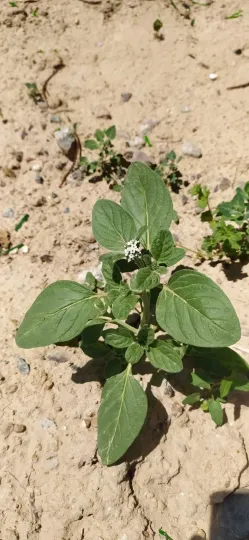
Description
Growing requirements
Heliotropium stevenianum is a perennial herbaceous plant belonging to the Boraginaceae family. It is native to arid and rocky regions of Crimea and the Caucasus, where it has adapted to harsh environmental conditions.
Botanically, the plant features pubescent leaves and distinct coiled inflorescences, which are typical for the genus Heliotropium. It typically grows as a subshrub, displaying significant resilience to environmental stressors.
Regarding growth requirements, this species demands full sun exposure to thrive and maintain its structural integrity. Planting in shaded areas leads to etiolated stems and significantly reduced blooming performance.
The soil must be well-drained and light to prevent water accumulation at the root level. Sandy or rocky substrates are ideal, reflecting the plant's natural habitat requirements for good aeration and drainage.
The plant is highly drought-tolerant, making it suitable for water-wise gardening. However, during the active growing season, moderate and consistent watering ensures better health and more vigorous flower production.
Main diseases and pests
The primary threats to Heliotropium stevenianum involve fungal diseases, which typically emerge under conditions of high humidity and poor air circulation. Root rot is a common issue if the soil remains waterlogged.
Insect pests such as spider mites and aphids represent a significant challenge during warm and dry periods. These pests can rapidly infest the plant, causing foliage damage and weakening the stems.
Effective management strategies include the application of appropriate systemic insecticides and maintaining hygiene in the cultivation area. Regular inspections are necessary to identify outbreaks before they cause severe damage.
Proactive care involves pruning to ensure adequate airflow within the canopy, which effectively reduces the likelihood of fungal colonization. Preventing overcrowding is a key aspect of successful pest management.
Overall, maintaining the plant's vigor through proper nutrition and balanced watering makes it less susceptible to various stressors, ensuring long-term survival and ornamental value.