
Heliotropium rariflorum
Heliotropium rariflorum
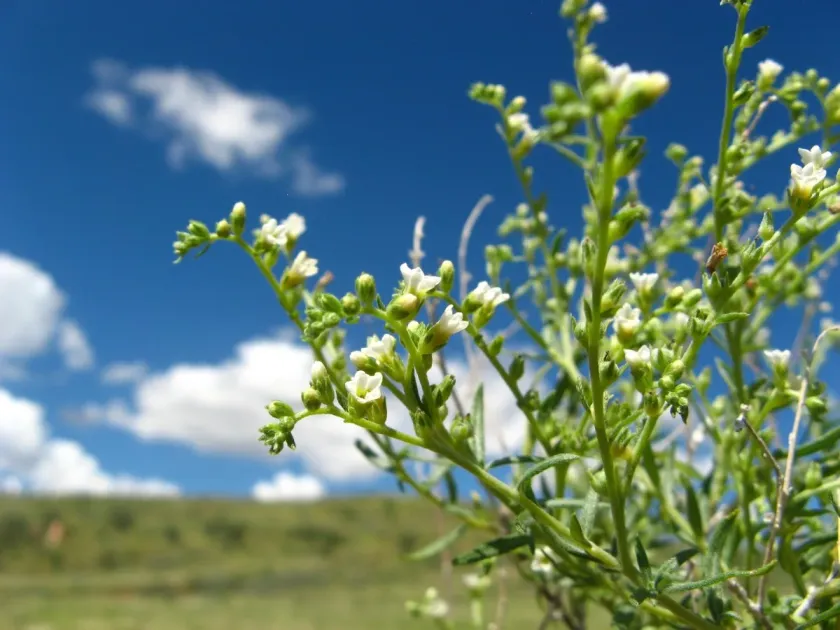
Description
Growing requirements
Heliotropium rariflorum belongs to the Boraginaceae family. It is a perennial herbaceous plant recognized for its resilience in arid environments and its distinct morphological features that allow it to thrive in challenging landscapes.
The plant requires full sun exposure to maintain its structural integrity and reproductive health. Inadequate light levels often lead to etiolated stems and a reduction in the abundance of its characteristic sparse flowering patterns.
Soil requirements focus on high permeability and drainage. Sandy or sandy-loam soils are ideal, as they prevent the root rot commonly associated with moisture stagnation. The substrate should be maintained at a neutral or slightly alkaline pH level.
Water management is critical for this species. As a xerophytic plant, it has evolved to utilize moisture efficiently and prefers cycles of watering followed by periods of drying, which helps in preventing fungal pathogen buildup.
During the active growth season, light fertilization with balanced micronutrients supports vigorous development. It is important to avoid excessive nitrogen, which can lead to succulent growth susceptible to mechanical damage and pest infestations.
Main diseases and pests
Root and crown rot are the primary threats to Heliotropium rariflorum, primarily driven by over-irrigation or heavy, poorly drained soil conditions. Early detection of wilting is vital for intervention through improved drainage techniques.
Aphids are the most common insect pests that attack the soft tissue of new shoots. They extract essential fluids from the plant, which may weaken the specimen and create entry points for secondary viral infections.
Spider mites frequently infest the foliage during hot and dry weather conditions. The damage caused by these pests can lead to chlorosis and premature leaf drop, which significantly impacts the aesthetic and physiological health of the plant.
Powdery mildew represents a major fungal challenge, especially in areas with poor airflow and high humidity. Application of appropriate fungicides should be coupled with thinning out dense clusters to improve air circulation.
Integrated pest management strategies are recommended to mitigate these risks. Maintaining plant health through proper spacing and regular sanitation remains the most effective method for long-term protection.