
Heliotropium ramosissimum
Heliotropium ramosissimum
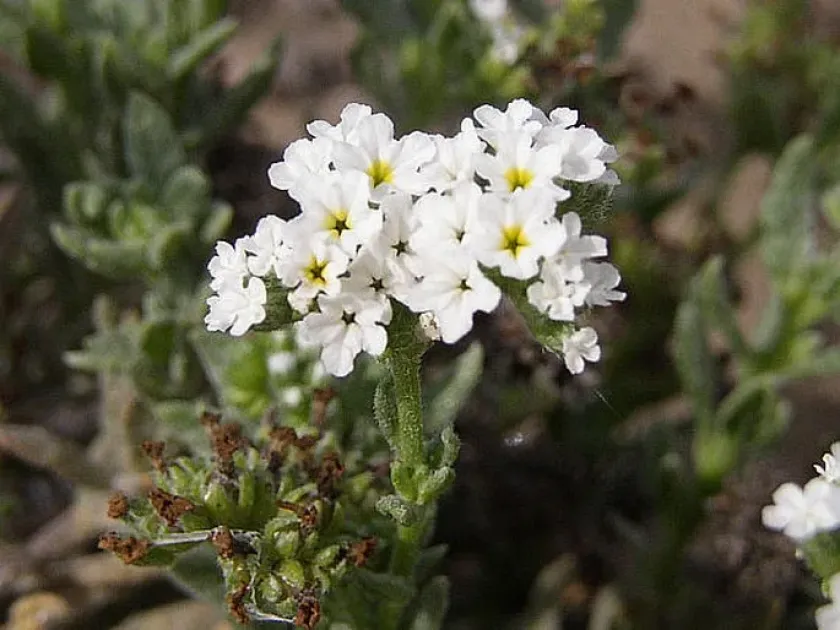
Description
Growing requirements
Heliotropium ramosissimum is a perennial subshrub belonging to the Boraginaceae family. Originally found in arid regions, it has adapted to survive in harsh, moisture-deficient environments, making it a unique species for specific climate zones.
The botanical characteristics include high branching density and specialized root structures that maximize nutrient uptake in low-fertility soils. Its physical structure allows it to withstand high solar radiation and intense heat without significant loss of vigor.
For successful cultivation, the plant requires full sun exposure and excellent soil drainage. Heavy clay soils are unsuitable due to the risk of waterlogging, which the root system cannot tolerate; therefore, soil preparation must prioritize aeration.
Climate requirements include high ambient temperatures and low air humidity. While the plant can survive drought, optimal growth and flowering occur when it is provided with minimal but consistent irrigation during the peak growing season.
As a crop, it is mainly utilized for landscaping and xeriscaping projects where irrigation water is scarce, helping to maintain ecological balance in arid agricultural landscapes.
Main diseases and pests
The primary threats to Heliotropium ramosissimum are related to fungal pathogens that thrive in humid or poorly ventilated conditions. Root rot is the most common issue, often resulting from over-irrigation or poor site drainage.
Pest pressure is frequently dominated by spider mites and aphids, which thrive in hot and dry microclimates. These pests can rapidly infest the plant canopy, causing stunted growth and poor flower production if not managed promptly.
Integrated pest management strategies should be employed, focusing on regular scouting to detect initial infestations. Mechanical removal of infested branches can sometimes be sufficient if the colony is isolated.
For more severe outbreaks, systemic insecticides are recommended, although their application should be carefully timed to avoid harming local pollinator populations that are often attracted to the plant's blooms.
- Ensure adequate spacing between plants to allow for airflow.
- Avoid overhead irrigation to keep foliage dry.
- Use certified growing media to prevent soil-borne pathogens.
- Apply preventative fungicide treatments during the spring season.
- Monitor the undersides of leaves regularly for signs of mite activity.