
Heliotropium philippianum
Heliotropium philippianum
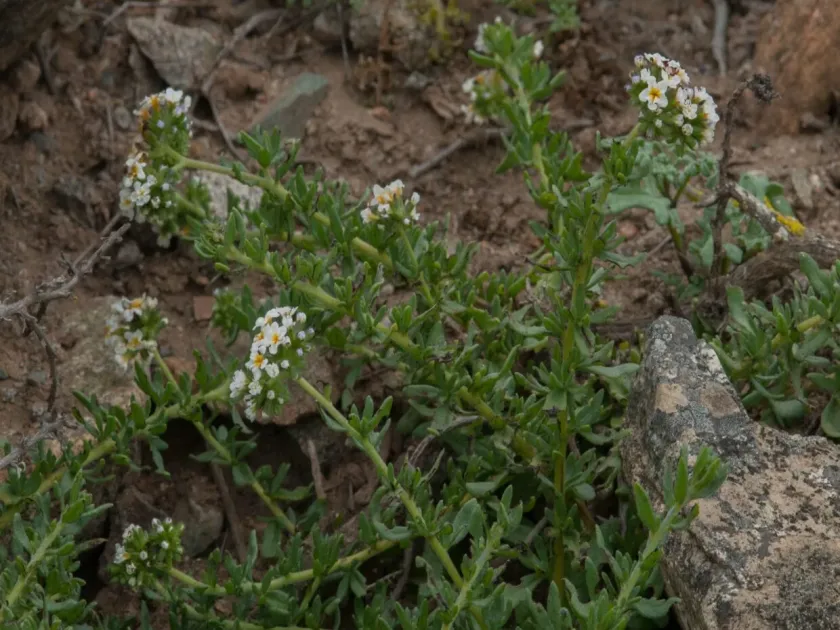
Description
Sowing dates
The sowing of this crop usually begins in late winter to early spring using indoor containers, ensuring enough time for the plant to mature.
Seeds require stable temperatures between 20 and 22 degrees Celsius and plenty of light to ensure healthy germination and early development.
Seedlings should be hardened off before being transplanted outdoors once all danger of frost has passed in late spring.
Adequate spacing is crucial during planting to prevent overcrowding, which allows for proper airflow and prevents fungal growth between plants.
A well-prepared seedbed with light, fertile soil is highly recommended to promote rapid root establishment after transplanting.
Growing requirements
Heliotropium philippianum is a sun-loving plant that requires maximum exposure to direct sunlight throughout its growing season for optimal health.
The crop thrives in well-drained, loose, and nutrient-rich soil with a neutral pH, avoiding any areas prone to waterlogging or compaction.
Consistent irrigation is vital; however, the soil must be allowed to dry slightly between waterings to prevent root-related issues.
Regular fertilization with balanced nutrients, focusing on phosphorus and potassium, helps the plant maintain vigor and consistent growth.
Protection from strong winds is advisable, as the stems of the plant are somewhat fragile and can be damaged by mechanical stress.
Main diseases and pests
Common fungal diseases such as powdery mildew can affect the plant if humidity levels remain too high without sufficient air circulation.
Spider mites are a frequent pest threat, especially during hot and dry spells, as they thrive under these specific environmental conditions.
Aphid infestations can weaken the plant by feeding on succulent new growth, which may stunt the overall development of the specimen.
Whiteflies are known to attack the foliage, particularly in greenhouse conditions, necessitating integrated pest management strategies.
Maintaining clean garden beds and removing debris around the base of the plant are essential steps for preventing common pest outbreaks.