
Heliotropium lasiocarpum
Heliotropium lasiocarpum
Description
Sowing dates
Heliotropium lasiocarpum is an annual herbaceous weed belonging to the Boraginaceae family. In agricultural landscapes, it is recognized as a problematic species that negatively impacts crop productivity across various climate zones.
The seeds of this plant typically germinate when soil temperatures reach 6 to 8 degrees Celsius. Maximum emergence occurs during late spring and early summer when the soil is warm and adequately moist from seasonal rainfall.
Seedlings develop rapidly, establishing a strong root system that allows the plant to compete effectively for water and nutrients. The germination window is extended, often resulting in successive waves of emergence throughout the growing season.
Optimal burial depth for germination is in the top 3-5 centimeters of soil. Strategies to manage the weed bank often involve preventing seeds from reaching the soil surface through appropriate tillage practices.
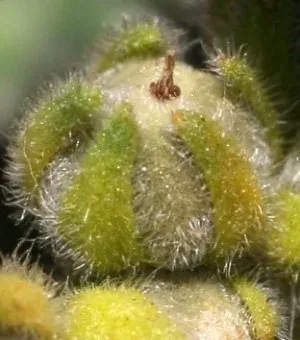
The botanical structure of the plant features stems and leaves covered with fine hairs, which is reflected in its taxonomic name. This pubescence helps reduce transpiration, allowing the plant to thrive even in dry conditions.
Growing requirements
This weed thrives in sunny, well-lit environments and demonstrates remarkable adaptability to various soil types, including sandy, loamy, and even slightly saline soils where other plants struggle to survive.
It exhibits high drought tolerance, a trait that makes it particularly invasive in arid and semi-arid regions. The plant can sustain its physiological processes under conditions of severe water scarcity.
While it prefers warm temperatures for optimal growth, it is quite hardy and can withstand fluctuations in climate. Its ability to colonize disturbed lands, such as roadsides and fallow fields, allows it to spread rapidly into adjacent farmland.
In terms of agricultural management, the plant requires consistent monitoring, especially in fields with loose, well-aerated soil which favors its initial establishment and subsequent rapid vegetative growth.
Competitive suppression is key; therefore, ensuring that crops have a quick and uniform start is the best defense against this weed. Proper irrigation management in controlled environments can also help in reducing its dominance.
Main diseases and pests
The most critical threat posed by Heliotropium lasiocarpum is its high toxicity. It contains pyrrolizidine alkaloids, which are extremely dangerous and often fatal to livestock when ingested through contaminated fodder or grazing.
Beyond animal health risks, the plant acts as a major competitor for vital soil nutrients. High densities of this weed can lead to substantial yield losses in grain and forage crops due to nutrient and moisture depletion.
The weed can serve as a host for various pests and diseases that potentially affect neighboring cash crops, leading to increased complexity in integrated pest management programs and higher input costs.
Mechanical control, such as deep plowing and timely cultivation, is essential to limit the seed bank. Chemical control methods, particularly systemic herbicides, are most effective when applied during the early developmental stages of the plant.
Ongoing surveillance and strict field sanitation protocols are necessary to prevent the plant from flowering and releasing seeds, as the seed bank can remain viable in the soil for several years if not properly managed.