
Heliotropium hirsutissimum
Heliotropium hirsutissimum
Description
Growing requirements
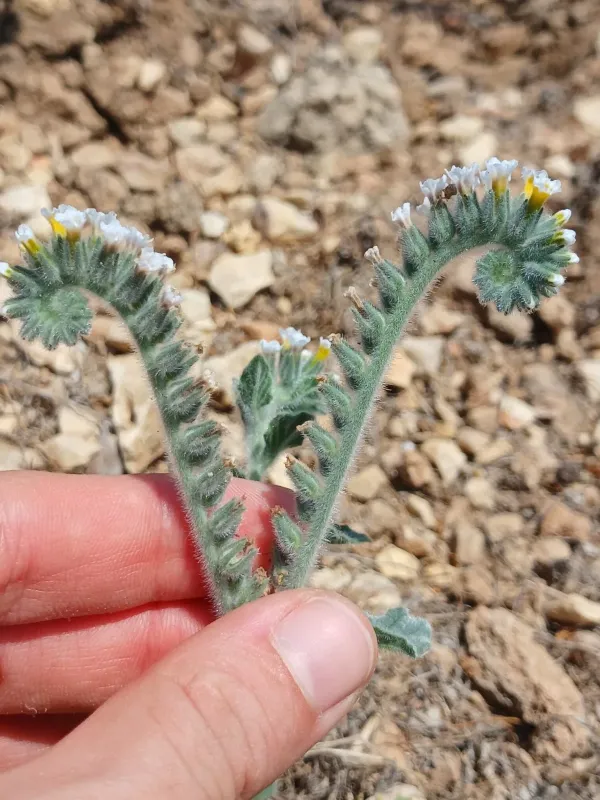
Heliotropium hirsutissimum is a perennial herbaceous plant belonging to the Boraginaceae family. Its most distinctive characteristic is the dense, hair-like pubescence covering its stems and leaves, which helps the plant retain moisture and reflects excessive solar radiation in its native arid habitats.
The plant originates from the dry regions of the Middle East and the Mediterranean basin. Due to its evolutionary adaptation to harsh environments, it has become a candidate for xeriscaping and sustainable agriculture in areas prone to drought and high temperatures.
The plant requires full sun exposure to thrive and maintain its compact, healthy growth habit. Partial shade usually results in poor flowering and etiolation, which significantly degrades the ornamental and botanical value of the crop.
Soil requirements focus on excellent drainage. Heliotropium hirsutissimum performs best in sandy or rocky soils with moderate fertility. In agricultural settings, it is essential to ensure that the substrate is not compacted to prevent root hypoxia, which is a major limiting factor for this species.
Climatically, the species is suited for regions with hot, dry summers and mild winters. While highly drought-tolerant once established, supplemental irrigation during the seedling phase is necessary to ensure proper root development and long-term crop viability.
Main diseases and pests
Aphids are the primary insect pests affecting Heliotropium hirsutissimum, particularly in the spring when new growth is succulent. These insects can quickly form dense colonies on the underside of leaves, causing curling and reducing plant vigor.
Spider mites are common threats in low-humidity conditions. These microscopic pests feed on cell contents, causing the foliage to appear bleached or mottled, which can lead to premature leaf drop if not managed properly through humidity control or acaricides.
Powdery mildew represents the most significant fungal risk, especially in environments with poor air circulation or high nocturnal humidity. The characteristic white fungal growth hinders photosynthesis and eventually weakens the entire plant structure.
Root pathogens such as Pythium or Phytophthora may occur in saturated soils. Symptoms include sudden wilting despite adequate moisture, and brown or blackened root systems. Proper soil aeration is the most effective preventative measure against these infections.
Integrated pest management (IPM) is recommended to protect the crop. This includes regular field scouting for early detection, the use of beneficial insects, and application of fungicides only as a last resort to minimize chemical residue and preserve the plant's delicate hairs.