
Heliotropium filiflorum
Heliotropium filiflorum
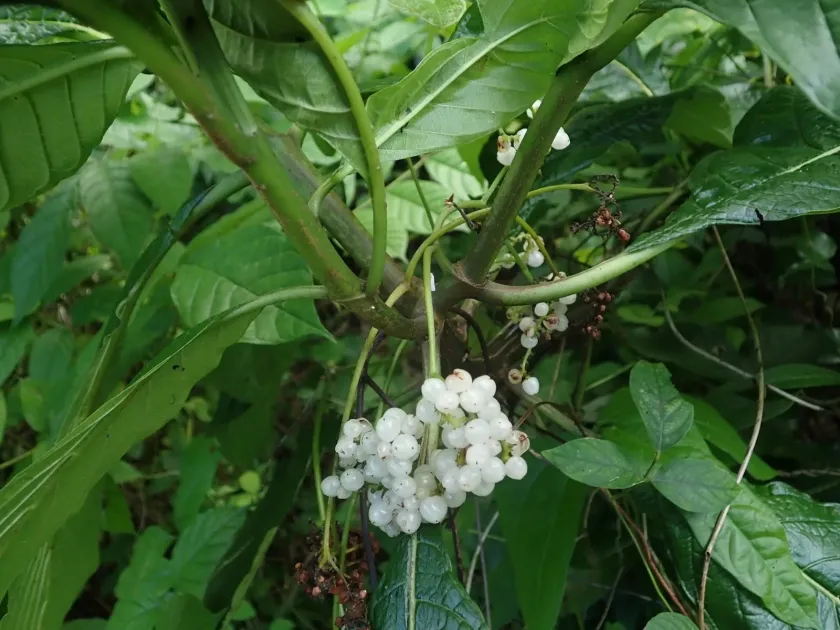
Description
Sowing dates
Heliotropium filiflorum is typically propagated using seedling methods in temperate climates, as its seeds require stable warmth for successful germination.
Sowing into seed trays is best performed in late February or early March, using a light, well-drained growing medium with added sand or perlite.
Seeds should be sown superficially rather than buried deep, as access to sunlight is vital for the germination process of this species.
The temperature for germination must be maintained at approximately 20–22 degrees Celsius, while ensuring consistent moisture levels within the substrate.
Transplanting to open ground should occur only after the risk of frost has passed, ensuring the soil is sufficiently warm for active root system development.
Growing requirements
This crop belongs to the Boraginaceae family and is valued for its high demand for light, preferring fully exposed and sunny garden locations.
For optimal development, the soil must be fertile, rich in organic matter, and possess a neutral to slightly acidic pH level.
The plant does not tolerate waterlogging, making the selection of a site with excellent natural drainage critical to prevent root rot diseases.
During the active growing season, Heliotropium filiflorum requires regular watering, although one should avoid wetting the delicate flowers during the blooming stage.
To maintain decorative appeal and encourage profuse flowering, periodic feeding with complex mineral fertilizers, particularly those rich in potassium, is highly recommended.
Main diseases and pests
The primary threats to these plantings include sap-sucking pests such as spider mites and aphids, which thrive in hot and dry weather conditions.
Poor watering practices and lack of air circulation can lead to powdery mildew outbreaks, characterized by a whitish fungal coating on the foliage.
Whiteflies can also become a significant issue, weakening the plant and potentially acting as vectors for various viral infections.
Effective management against insect pests involves the application of appropriate insecticides and acaricides, always adhering to waiting periods before flowering.
Disease prevention relies on regular thinning of plantings to improve airflow and the consistent removal of debris where pathogen spores may overwinter.