
Smooth sunflower
Helianthus laevigatus
Description
Growing requirements
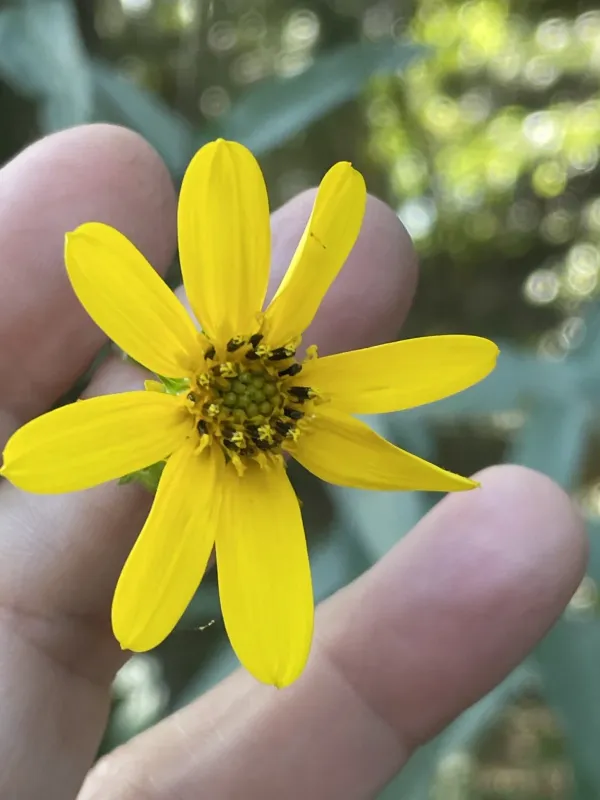
The smooth sunflower (Helianthus laevigatus) belongs to the Asteraceae family. Unlike common annual sunflowers grown for oil, this species is a perennial plant characterized by its smooth stems and leaves, which distinguish it from other members of the genus.
Originating from North America, this plant is well-adapted to open woodland and prairie edges. It thrives in temperate climates, showing a high capacity for environmental adaptation in both ornamental gardens and wild ecosystems.
This species requires well-drained soil conditions to flourish. It prefers neutral to slightly acidic soil textures, such as loams or sandy loams, and struggles in compacted or waterlogged soils that inhibit root oxygenation.
Full sun exposure is an essential requirement for the smooth sunflower. In environments with inadequate light, the plant tends to become leggy and produces fewer flower heads, significantly diminishing its aesthetic and biological value.
General maintenance involves minimal intervention compared to commercial crops. It requires moderate watering during the establishment phase and consistent soil aeration to support its perennial rootstock through dormant winter periods.
Main diseases and pests
Smooth sunflowers are susceptible to common fungal pathogens, including powdery mildew and various leaf spot diseases. These issues typically emerge during periods of high humidity combined with poor air circulation around the plants.
Insect pests such as aphids and sunflower beetles pose a recurring threat. Aphids target the tender new growth and developing flower buds, often leading to stunted plant development if infestations are not controlled promptly.
Integrated pest management strategies should be employed to mitigate these risks. This includes ensuring proper plant spacing to facilitate airflow and manually removing heavily infested plant parts to contain the spread of pests.
In cases of severe outbreak, horticultural oils or insecticidal soaps can be effective for managing localized pest populations. These options are generally preferred when maintaining the plant in a non-agricultural, ornamental setting.
Proactive care involves monitoring for early signs of disease such as discolored foliage or premature wilting. Early intervention is the most effective way to maintain the long-term health and vitality of the perennial root system.