
Southeastern sunflower
Helianthus agrestis
Description
Sowing dates
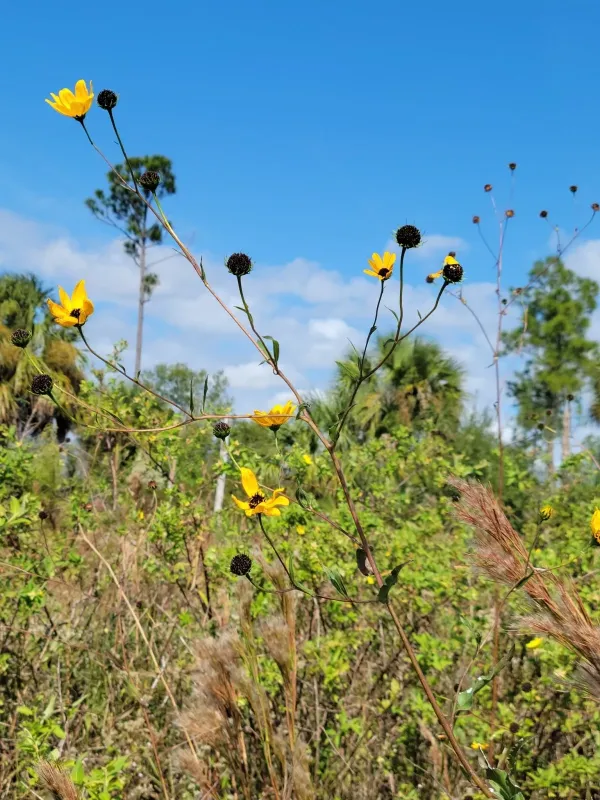
The Southeastern sunflower (Helianthus agrestis) is a herbaceous plant within the Asteraceae family. Unlike common sunflowers, this species has evolved in specific wetland habitats.
Sowing should be performed when soil temperatures are consistently above 12 degrees Celsius. Proper seedbed preparation is vital to ensure deep rooting and early development.
Spacing is a critical factor for this species, as high plant density in confined areas can lead to increased competition for nutrients and moisture.
Seed depth should be calibrated based on soil texture to allow the emerging seedlings to break through the soil surface efficiently without expending excessive energy.
The crop cycle is relatively long, requiring a stable climate with adequate warmth to ensure successful pollination and the maturation of seeds.
Growing requirements
This species is uniquely adapted to wet, low-lying habitats. Unlike the common sunflower, it demonstrates a higher tolerance to periodic soil saturation.
Ideal soil types are moist, sandy or loamy soils that retain sufficient water throughout the growing season without becoming stagnant or anaerobic.
Full sun exposure is necessary for healthy development. Although the plant is moisture-loving, it is highly sensitive to any form of canopy cover or competition.
Soil nutrient levels should be managed to prevent deficiencies, particularly in potassium, which supports the structural integrity of the stems and reproductive success.
Regional climate considerations include avoiding areas with very short growing seasons, as the plant requires ample time to complete its life cycle properly.
Main diseases and pests
Fungal diseases are the primary threat, especially in humid conditions where moisture facilitates the spread of spores. White mold and rust are common concerns.
Pests such as sunflower moths and various species of caterpillars can cause significant damage to the floral heads and foliage during the growth stages.
Integrated pest management, including crop rotation and the destruction of host weed species, is highly recommended to maintain healthy populations.
Early intervention is crucial when monitoring for signs of infestation or fungal growth, using appropriate biological or chemical controls where necessary.
Maintaining soil health through proper fertilization and drainage management helps the crop withstand stress and increases natural resistance to environmental threats.