
Silver heeria
Heeria argentea
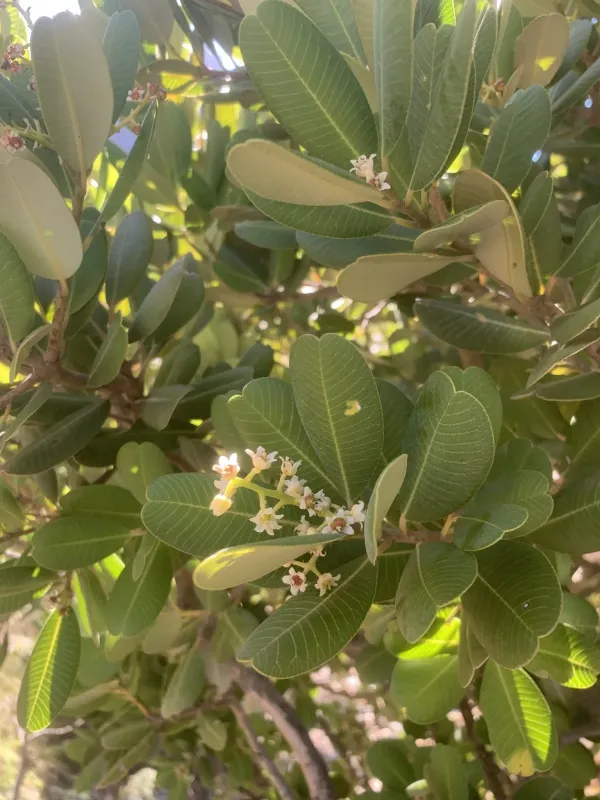
Description
Growing requirements
Silver heeria, scientifically classified as Heeria argentea, is a distinct member of the Anacardiaceae family. This woody species is native to the diverse landscapes of South Africa, particularly flourishing in rugged mountain terrains.
The plant thrives in well-drained, nutrient-poor, yet mineral-rich soils. It is highly adapted to environments where rainfall is seasonal, exhibiting structural resilience to both water scarcity and exposure to high winds.
Botanically, it is known for its metallic-looking, silvery foliage which acts as a protective layer against harsh sunlight. The tree displays a slow to moderate growth rate, contributing to the density and durability of its wood.
When cultivating this species, site selection is paramount. It requires full sun exposure and ample space to allow the crown to spread, which is essential for the tree's long-term health and vigorous structural development.
From an industrial perspective, the timber has historically been sought after for its incredible hardness and beautiful grain. Modern sustainable forestry practices prioritize the preservation and controlled propagation of this unique species.
Main diseases and pests
The primary threat to the stability of Heeria argentea populations is the degradation of its natural habitat. Soil compaction and erosion due to poor land management practices can severely impede its root system development.
Excessive humidity in the rhizosphere remains the leading cause of fungal infections. Growers must ensure that the planting area is situated on a slope or a substrate with high permeability to prevent stagnant water.
Various borers and sap-sucking insects can pose a challenge to the health of the tree bark. Regular inspection and the maintenance of a balanced ecosystem, including natural predators, are recommended for organic management.
Herbivory by local fauna is a common issue for juvenile plants. Protective netting or fencing is considered a standard agricultural requirement until the trunk reaches a sufficient diameter to withstand animal browsing.
Finally, environmental stressors such as prolonged periods of unnatural drought combined with extreme heat can lead to branch dieback. Providing deep watering during the initial establishment phase is crucial for success.