
Hectorella caespitosa
Hectorella caespitosa
Description
Growing requirements
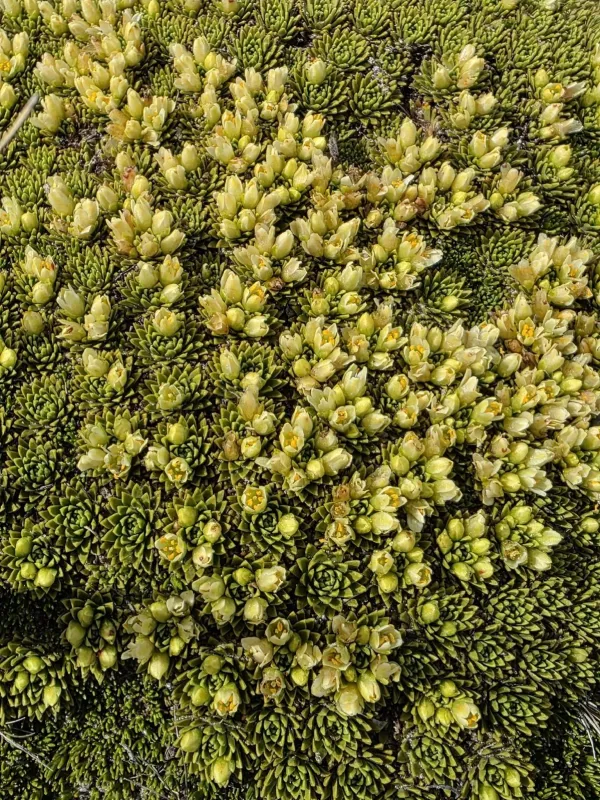
Hectorella caespitosa is a remarkable cushion-forming plant species belonging to the Montiaceae family. It is recognized for its dense, prostrate habit, which allows it to thrive in the harsh, exposed environments of high-altitude ecosystems where most vascular plants cannot survive.
The native distribution of this plant is restricted to the alpine zones of the South Island in New Zealand. It typically inhabits rocky debris, scree slopes, and fellfields, demonstrating a high level of specialization for nutrient-poor and volatile mountain conditions.
Regarding environmental requirements, the plant relies on full sun exposure and extreme soil drainage. It cannot tolerate waterlogged soils, as its root system is adapted to the sparse, rocky substrates typical of glacial remnants or high mountain ridges.
Biologically, Hectorella caespitosa functions by trapping heat within its dense cushion architecture, protecting apical meristems from the severe frost and desiccating winds prevalent in its natural habitat. This strategy also aids in moisture retention during brief growing seasons.
While not a traditional agricultural crop, the species is significant for its ecological role as a pioneer plant in alpine environments. It contributes to soil stability and provides microhabitats for various alpine soil microorganisms, highlighting its importance in ecosystem conservation.