
Hebestigma cubense
Hebestigma cubense
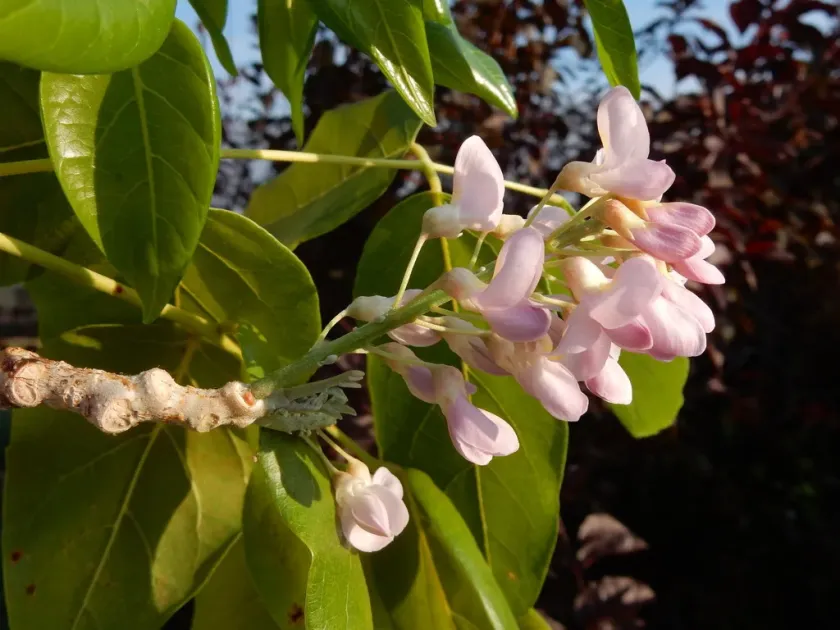
Description
Growing requirements
Hebestigma cubense is a distinctive woody species belonging to the Fabaceae (Legume) family. This tree is native to Cuba and is recognized as an important representative of the Caribbean tropical flora.
For successful growth, this species requires deep, well-drained soils. It thrives in tropical climates where temperatures remain consistent year-round, as the plant is highly sensitive to cold weather and frost.
The plant demonstrates a strong preference for sunny locations, which are essential for its vigorous vegetative development. Proper spacing is necessary to ensure adequate airflow and light penetration for the canopy.
As a legume, Hebestigma cubense is capable of biological nitrogen fixation, which contributes positively to soil fertility. This trait makes it an excellent choice for agroforestry projects aimed at land improvement.
In terms of utilization, it is often employed for ornamental purposes, windbreaks, and erosion control on slopes. Its dense wood is also valued for specific carpentry uses, depending on the age and size of the tree.
Main diseases and pests
The primary threats to this tree involve fungal pathogens that emerge during the wet season. These pathogens typically cause leaf spots and can lead to premature defoliation if left unmanaged.
Pests affecting the tree often include various tropical boring insects and leaf-eating caterpillars. Regular inspection of the trunk and foliage is crucial to detect early signs of infestation.
Effective management includes pruning infected branches and maintaining optimal plant vigor. Healthy trees are significantly more resilient to the stresses caused by local pests and environmental pressures.
Integrated Pest Management (IPM) strategies are highly recommended for large-scale plantings. This involves a combination of mechanical removal, biological control, and careful soil management to minimize chemical usage.
Water management is also critical to prevent root diseases. Ensuring the soil has adequate drainage prevents waterlogging, which is a common stressor for many tropical leguminous tree species.