
Halimione
Halimione
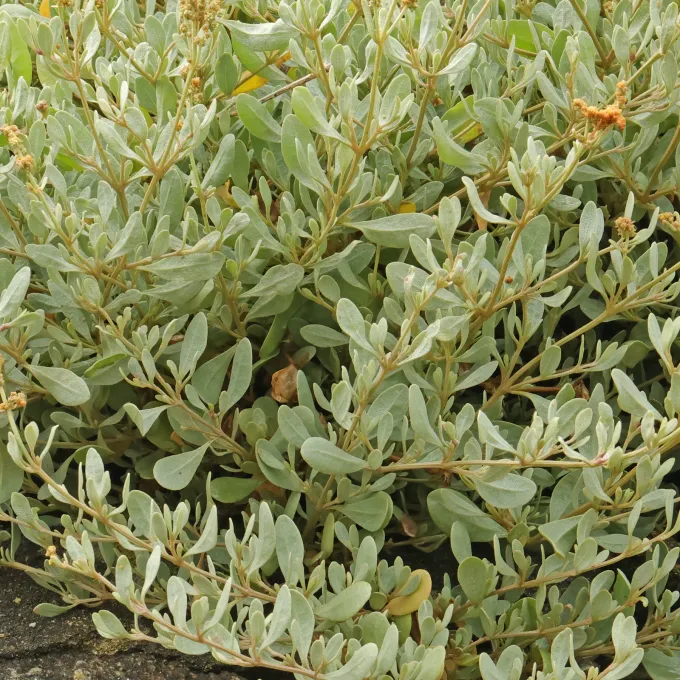
Description
Sowing dates
Sowing of Halimione is best performed in early spring when the soil temperature begins to rise, facilitating stable germination of the small seeds.
Precision seeding at a shallow depth of approximately 1-2 cm ensures that the tiny seeds are not buried too deep, which would inhibit their emergence.
For large-scale cultivation, seeds should be pre-treated to break dormancy, ensuring a uniform crop stand across the field or restoration area.
Adequate soil moisture is critical during the sowing phase, as Halimione requires sustained humidity to establish its primary root system.
Row spacing should be determined based on the intended use, with narrower rows preferred for biomass production to maximize ground coverage.
Growing requirements
Halimione belongs to the Amaranthaceae family and is recognized as a specialized halophyte, thriving in high-salinity environments such as salt marshes.
The plant demands full sunlight exposure, as its physiological processes are optimized for high-intensity light conditions typical of coastal zones.
Soil structure should allow for efficient drainage, as despite their tolerance for salt, the plants do not tolerate prolonged waterlogging in the root zone.
Climate requirements for Halimione are met in temperate to Mediterranean climates, where coastal winds and salinity are natural components of the habitat.
It acts as a pioneer species in saline soils, contributing to soil stabilization through its dense root architecture that prevents erosion.
Yield
Biomass production is the primary metric for yield in Halimione, which can be harvested several times during a single growing season under optimal conditions.
Although growth rates are slower compared to traditional crops, the plant provides stable nutrition in environments where other fodder species fail to grow.
Yield stability is directly correlated to the level of soil salinity and available water, with managed irrigation leading to significantly higher biomass outputs.
Harvesting strategies should prioritize maintaining the vigor of the plant, ensuring that regenerative buds remain intact after cutting.
Studies show that seasonal accumulation of mineral content in the leaves adds significant value to the forage, making it a unique supplement for livestock.
Main diseases and pests
Due to its high salt content within plant tissues, Halimione exhibits natural resistance to many pests and diseases that affect glycophytic crops.
The primary biotic threat involves opportunistic root fungi, which may emerge if the soil remains excessively wet and lacks proper oxygenation.
Insect pressure is generally low, as the high salinity of the sap acts as a deterrent to most common herbivores and chewing insects.
Competitive stress from aggressive weeds is only a major concern during the establishment phase, before the Halimione population matures and dominates.
Proper field management, including the monitoring of soil salinity levels, helps prevent the build-up of specialized pathogens that could impact plant health.
Harvesting
Harvesting timing is essential for maximizing both quantity and quality, with mid-summer being the optimal window for biomass collection.
The use of forage harvesters with adjustable cutting heights prevents damage to the root crowns, promoting the plant's ability to regrow effectively.
Post-harvest management involves rapid drying to maintain nutritional integrity, given the high moisture content of the green tissue.
Seed collection is performed at the end of the reproductive cycle, with care taken to gather the fruits before they are dispersed by wind.
Proper storage in well-ventilated conditions is necessary to prevent spoilage and ensure the longevity of the harvested material or seed stock.