
Halfordia kendack
Halfordia kendack
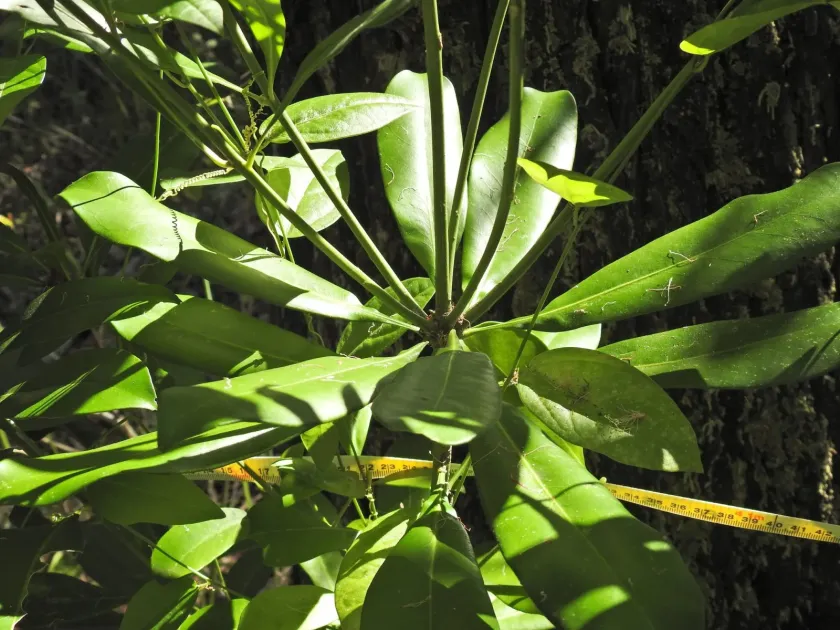
Description
Growing requirements
Halfordia kendack, commonly known as saffron heart or ghittoe, belongs to the Rutaceae family. This evergreen tree is native to the rainforest regions of Australia and several islands in the South Pacific, where it thrives in warm and humid tropical conditions.
The species requires a climate that mimics its natural habitat, with high annual rainfall and protection from freezing temperatures. It performs best in sheltered locations that provide filtered light, especially when the plants are young, though mature trees can tolerate more sun.
Soil requirements for Halfordia kendack include well-draining, nutrient-rich substrates. It is essential to maintain good drainage, as the root system is sensitive to waterlogging. Incorporating organic mulch into the topsoil helps retain moisture while promoting beneficial soil microflora.
Agronomic management involves periodic monitoring for moisture levels, particularly during the early growth stages. While established trees show some resilience, supplemental irrigation during prolonged dry spells is recommended to maintain the vigor and quality of the wood.
Fertilization should be handled with care, focusing on balanced nutrient supply that supports healthy vegetative growth. Using slow-release fertilizers can help provide consistent nutrients without stressing the plant with excessive chemical concentrations.
Harvesting
The primary economic use of Halfordia kendack is its timber, which is highly valued for its exceptional strength, density, and durability. It has been historically utilized for various construction purposes, including tool handles and structures where resilient wood is required.
The plant also serves an important ecological function. Its fruits are consumed by various bird species, which assists in seed dispersal. In some regions, its parts have been studied for their chemical compounds, reflecting the diverse characteristics of the Rutaceae family.
Harvesting timber requires sustainable management practices to ensure that the natural populations are not depleted. Selective logging is preferred, allowing the forest canopy to regenerate while extracting high-quality mature wood for specialty markets.
In addition to timber, the tree is recognized for its ornamental value in landscaping within tropical climates. Its glossy foliage and neat growth habit make it a suitable choice for parks and botanical gardens that specialize in local or exotic flora.
Overall, Halfordia kendack remains a niche but significant species. Its potential for small-scale plantation forestry is being explored in regions where climate conditions align perfectly with the ecological needs of this robust and useful tropical tree.