
Haematostaphis barteri
Haematostaphis barteri
Description
Sowing dates
Haematostaphis barteri belongs to the Anacardiaceae family and is an evergreen tree native to the tropical forests of West and Central Africa.
Propagation is typically achieved through seeds, which require specific conditions including high humidity and stable warm temperatures for successful germination.
Commercial cultivation requires careful attention to climate control, as the saplings are sensitive to sudden changes in environmental conditions.
In nursery settings, seeds are planted in organic-rich substrates while ensuring protection from intense direct sunlight during the early stages of growth.
Germination success depends on maintaining consistent moisture levels without creating waterlogged conditions that could harm the developing roots.
Growing requirements
The species requires a tropical climate with high annual rainfall to thrive, mirroring its natural habitat in equatorial rainforests.
Well-drained soil that is rich in organic matter and maintains a slightly acidic to neutral pH level is ideal for healthy tree development.
Protection from strong winds is essential to prevent structural damage to the crown of young trees during their active growing phase.
Regular fertilization with balanced organic inputs is recommended to support rapid biomass accumulation and fruit production.
Adequate irrigation is critical in regions with a distinct dry season to prevent moisture stress and preserve the health of the tree foliage.
Yield
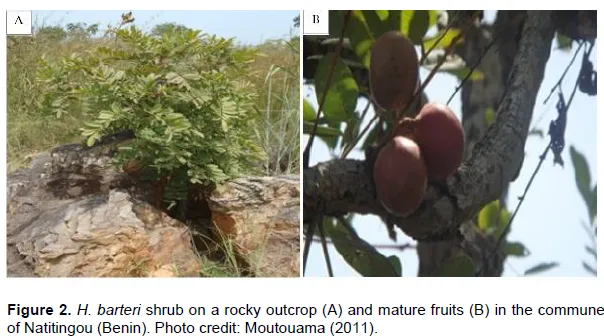
The primary agricultural output of this plant is its bright red edible fruits, which are highly valued in local communities for their unique flavor profile.
Yield capacity is influenced by the tree's maturity and its exposure to optimal sunlight, as well as the overall management of the plantation.
The fruits grow in loose clusters, which allows for visual inspection and selective harvesting to ensure only ripe produce is collected.
The fruits are characterized by a balance of sugars and organic acids, making them suitable for both fresh consumption and traditional processing.
Future research into high-yield varieties could potentially increase the economic relevance of this crop for regional agricultural markets.
Main diseases and pests
The main threats to this culture are fungal infections, particularly those affecting the root system due to excessive soil moisture.
Various insect pests typical of the Anacardiaceae family may cause significant damage to the leaf canopy if left unmonitored.
Integrated pest management, including the use of bio-fungicides and proper canopy ventilation, is recommended to mitigate health risks.
Preventative measures are essential to stop the spread of mold and other pathogens that thrive in high-humidity tropical conditions.
Regular monitoring of tree health, including the base of the trunk and leaves, helps in identifying and treating infestations early.
Harvesting
Harvesting is performed manually to ensure the fruits, which have soft and delicate skin, do not suffer from mechanical damage.
Maturity is identified by the fruit's coloration, shifting from raw stages to a deep, characteristic red hue that indicates peak quality.
The post-harvest shelf life is relatively short, necessitating immediate processing or distribution to local consumer markets.
Proper transport containers with cushioning are used to protect the harvest from bruising and preserve its aesthetic appeal.
Strategic timing of the harvest is vital to ensure the fruit reaches consumers with maximum nutritional value and optimal sweetness.