
Caucasian spinach
Hablitzia tamnoides
Description
Sowing dates
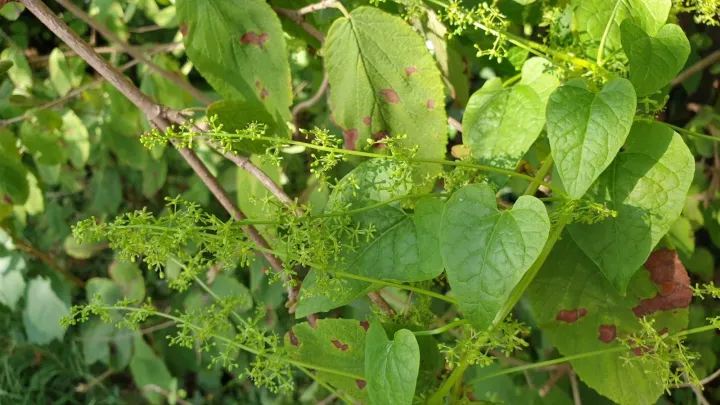
Caucasian spinach (Hablitzia tamnoides) is a hardy perennial climbing plant belonging to the Amaranthaceae family.
Propagation is primarily done via seeds, which require a cold stratification period to overcome dormancy and germinate uniformly.
Sowing in autumn or late winter is recommended to allow the seeds to experience the necessary natural cold exposure.
When transplanting seedlings, it is crucial to provide a support structure, such as a trellis or fence, as the plant is a vigorous climber.
Ensure a planting distance of at least 60–75 cm between individuals to avoid overcrowding as the vines mature throughout the growing season.
Growing requirements
This plant thrives in shaded or partially shaded environments and should be protected from harsh, direct sunlight to prevent leaf scorching.
It demands deep, fertile, moisture-retentive soil rich in organic matter to support its rapid vertical growth and high leaf production.
Consistent soil moisture is essential; the plant should be watered frequently during dry spells, as wilting significantly impacts crop quality.
Regular applications of compost or well-rotted manure are beneficial, especially in the spring, to supply nitrogen for foliage development.
Once established, the plant is exceptionally cold-hardy, with the root system surviving harsh winters underground before resprouting in spring.
Yield
The main edible portions of Caucasian spinach are its leaves and young shoots, which offer a mild flavor profile similar to cultivated spinach.
Yield capacity matures over time; younger plants provide limited harvests, while mature specimens can produce prolific amounts of greens.
The growing season is long, with the first harvest possible very early in the spring, making it one of the first perennial vegetables available.
Continuous harvesting of the growing tips promotes branching and keeps the plant in a juvenile growth stage, which produces the most tender leaves.
With proper maintenance and adequate spacing, a single vine can yield a substantial amount of fresh greens for household use throughout the summer.
Main diseases and pests
Hablitzia tamnoides is naturally resilient to many common plant diseases, making it a low-maintenance choice for organic gardeners.
Slugs and snails are the primary pests that may feed on the tender young leaves, especially in damp, protected corners of the garden.
Proper garden sanitation and maintaining weed-free zones around the base of the plant help reduce the attractiveness to potential pests.
Since the foliage is typically consumed fresh, chemical treatments are generally discouraged and rarely necessary for this robust species.
Monitoring the plant for aphids during hot, dry periods is advisable, although infestations are usually managed by the plant's natural vigor.
Harvesting
Harvesting can begin as soon as the plant has developed sufficient foliage in the spring, usually starting from April or May.
Leaves and young stems are best picked when they are succulent; older leaves may become tougher and should be harvested less frequently.
Avoid over-harvesting from a single plant at once to ensure it retains enough energy to continue climbing and producing new growth.
Harvested greens should be used immediately or stored in a cool environment, as the thin leaves are susceptible to quick dehydration.
Cease harvesting towards the end of the summer to allow the plant to store energy in its rootstock for the upcoming winter dormancy.